


Nvidia’s Strategic Leap: Partnering with Groq in a Non-Exclusive Licensing Agreement
In a significant move that highlights the competitive landscape of AI chip manufacturing, Nvidia has entered into a non-exclusive licensing agreement with Groq, a notable player in the AI chip sector. This partnership comes with implications that could reshape the way we think about and use AI technologies.
The Details of the Agreement
As part of this collaboration, Nvidia has committed to hiring key personnel from Groq, including founder Jonathan Ross and president Sunny Madra. This infusion of talent is not just about acquiring new skills; it’s about bolstering Nvidia’s already formidable team. Their expertise could accelerate Nvidia’s initiatives in chip development and AI capabilities.
Not an Acquisition, But a Major Investment
According to CNBC, Nvidia is reportedly acquiring assets from Groq for a staggering $20 billion. However, Nvidia has clarified to TechCrunch that this is not a full acquisition of the company but a strategic investment in its assets. If the reported figures hold true, this deal could emerge as Nvidia’s largest investment to date, reinforcing its position as a leader in chip manufacturing and AI.
Nvidia’s Edge in AI Hardware
As the tech industry races to enhance its AI capabilities, the demand for powerful computing resources has surged. Nvidia’s GPUs have consolidated their status as the standard for AI applications. The company’s robust hardware is already being utilized across a myriad of sectors, serving as the backbone for countless AI-driven applications. This partnership with Groq is poised to deepen Nvidia’s integration into the ever-expanding AI landscape.
Groq’s Innovative Approach: The Language Processing Unit
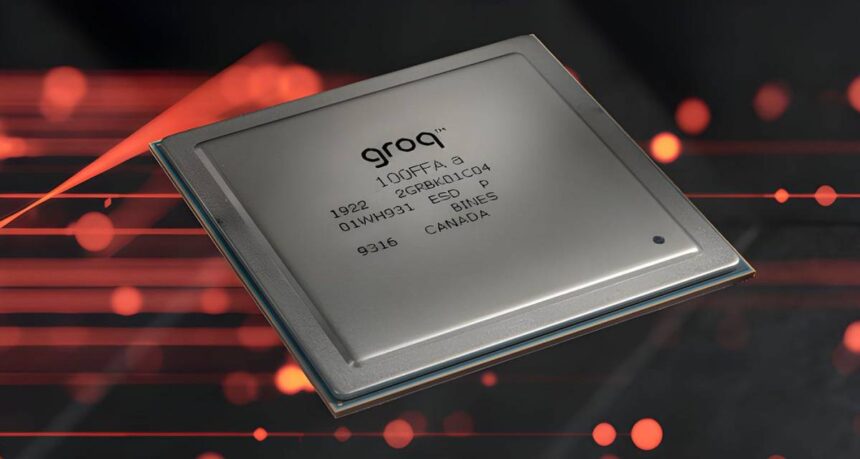
While Nvidia has primarily focused on GPUs, Groq has developed an innovative chip known as the Language Processing Unit (LPU). This unique approach is designed to enhance the performance of large language models (LLMs). Groq asserts that its LPUs can run these models at ten times the speed of traditional chips while using only one-tenth of the energy. This groundbreaking technology underscores Groq’s role as an innovator in the AI chip domain.
More Read

Jonathan Ross, Groq’s CEO and co-founder, brings a wealth of experience from his previous tenure at Google, where he played a pivotal role in developing the Tensor Processing Unit (TPU). His innovative mindset has positioned Groq as a formidable competitor in the AI space.
Rapid Growth and Increasing Valuation
In September, Groq demonstrated its impressive growth trajectory by raising $750 million, achieving a valuation of $6.9 billion. The company’s rapid ascent reflects the increasing demand for specialized AI hardware. Groq reports powering the AI applications of over 2 million developers, a remarkable surge from just 356,000 the previous year. This exponential growth speaks volumes about the company’s potential and market relevance.
The Future of AI Chip Manufacturing
As Nvidia and Groq move forward with their collaboration, the implications for the tech industry are vast. Combining Nvidia’s established position in the GPU market with Groq’s innovative chip designs could create a powerful synergy. This partnership signifies a new chapter in the quest for superior AI processing capabilities, prompting other tech firms to rethink their strategies in chip manufacturing.
As the competition intensifies in the AI sector, Nvidia’s alliance with Groq exemplifies the strategic maneuvers necessary to maintain a competitive edge. The tech world will undoubtedly be watching closely as these two companies shape the future of AI hardware.
Inspired by: Source


