


The Evolution of Apple’s Self-Driving Ambitions and Their Impact on AI Technology
Apple’s journey into the realm of self-driving technology has not been linear, but it has profoundly shaped the company’s ambitions in artificial intelligence (AI). Although the self-driving car program encountered numerous obstacles and never truly materialized, it played a crucial role in developing Apple’s formidable AI capabilities.
The Genesis of Apple’s Neural Engine
In the early days of its self-driving car initiative, Apple recognized a significant challenge: the need for powerful on-device AI processing. This realization prompted the company to pivot its focus toward creating a robust computational backbone. As detailed in Mark Gurman’s insightful Power On newsletter, this shift led to the birth of the Neural Engine.
The Neural Engine first made its mark with the launch of the iPhone X, equipped with the A11 Bionic chip. Initially focused on enhancing user experience through features such as FaceID, Animoji, and augmented reality, it aimed to redefine how users interacted with their devices. By integrating sophisticated AI capabilities directly onto devices, Apple differentiated itself in a competitive landscape dominated by cloud-based AI solutions.
Advancements in AI Performance: The Arrival of M-Series Chips
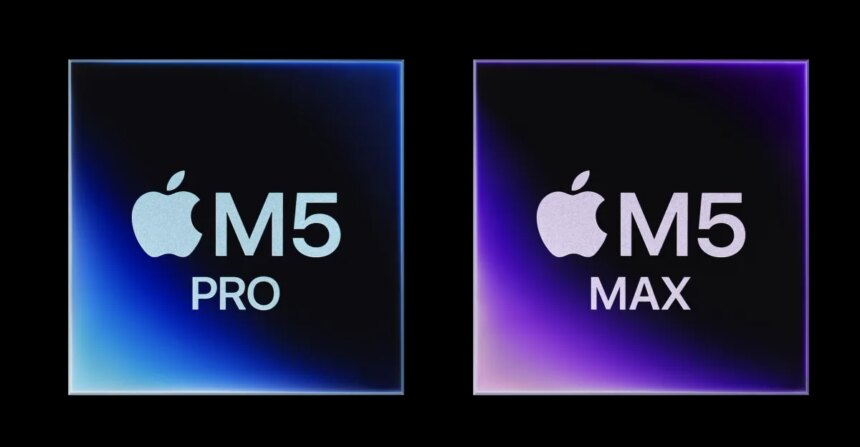
As Apple’s AI software efforts evolved, the hardware underpinning their ambitions gained substantial ground. The introduction of the M-series chips, particularly in desktops, marked a significant step forward. The transition from mobile chips to desktop environments showcased Apple’s commitment to pushing the boundaries of on-device processing power.
By bringing the Neural Engine into the M-series architecture, Apple solidified its status as an early leader in the field. This not only enabled complex tasks to be performed locally—reducing the need to send data to the cloud—but also bolstered the company’s emphasis on user privacy. By ensuring that sensitive information remained on the device, Apple maintained a competitive advantage in a market where privacy concerns continue to burgeon.
More Read

Future Developments: The M7 Chip and Beyond
Looking ahead, Apple appears poised to deepen its investment in AI hardware. As reported by Gurman, the company plans to bypass the Pro, Max, and Ultra iterations of the upcoming M6 chip, opting instead to accelerate the development of the M7. Expected to debut in the first half of 2027, the M7 will come with considerable enhancements to the Neural Engine.
The M7 Ultra is particularly noteworthy, as it hints at Apple’s aspiration to enter new markets. Anticipated to support up to 1.5TB of RAM, this chip could provide the backbone for a new server product, allowing Apple to broaden its horizons within the technology ecosystem. This strategic shift not only enhances the performance of existing products but may also open doors to entirely new applications.
The Role of AI in Apple’s Strategic Vision
The infusion of advanced AI capabilities into Apple’s hardware strategy is more than a technical evolution; it represents a core element of the company’s long-term vision. As industries continue to adapt to evolving technologies, Apple’s commitment to enhancing on-device AI ensures that it remains competitive in an increasingly AI-driven world. By establishing itself as a pioneer in hardware that facilitates robust AI performance, Apple is well-positioned to shape future technological landscapes while prioritizing user privacy and experience.
In summary, while Apple’s self-driving car ambitions may not have taken off as originally envisioned, the journey has catalyzed the development of powerful AI processing capabilities. It’s a legacy that continues to influence the company’s innovation path, reaffirming that every challenge can lead to significant advancements in technology.
Inspired by: Source


