


Eros Media Group’s Groundbreaking Rerelease of "Raanjhanaa" with an AI Twist
An Indian film company is making waves in the cinematic world by rereleasing the 2013 romantic drama "Raanjhanaa" with a striking new twist: an alternate ending powered by artificial intelligence (AI). This unique move has sparked a conversation about director rights and the future of filmmaking, marking what could be a pivotal moment in global cinema.
The Rerelease Details
Scheduled to hit theaters on August 1, "Raanjhanaa" will return under its Tamil title, "Ambikapathy." The film, which originally explored the tragic love story between a Hindu man and a Muslim woman, will feature a revised conclusion—transforming its former tragic ending into a “happy” one. This initiative raises several eyebrows and questions on creative ethics and authorship.
Tech in Art: A New Approach
Pradeep Dwivedi, CEO of Eros Media Group, is championing this experiment as a technological innovation that aligns with their long-term creative vision. He refers to the alteration as an “exploratory baby step,” suggesting that Eros is actively exploring its extensive library, which boasts over 3,000 releases, for similar AI applications.
“If the technology allows us to do something and we can do something good with it, why not?” Dwivedi argued, indicating a belief in a symbiotic relationship between technology, creativity, and audience acceptance.
The Director’s Dissent
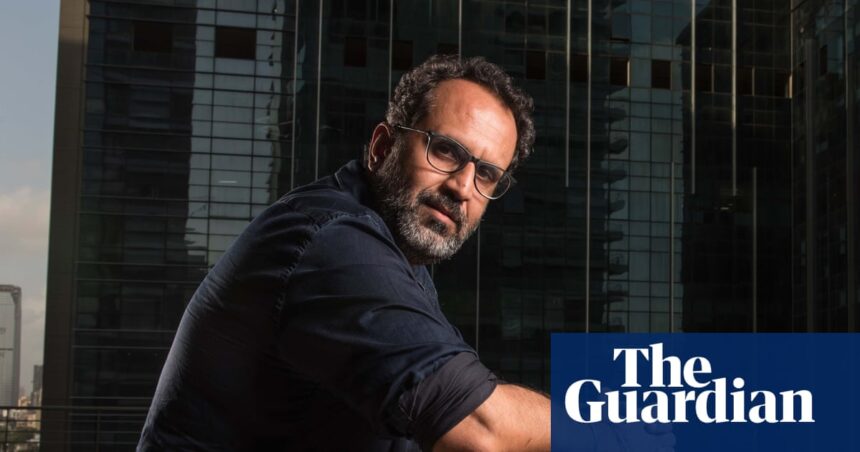
However, the rerelease has drawn heavy criticism from the original film’s director, Aanand L Rai. Expressing his heartbreak, he emphasized the implications of disregarding creative intent and authorship in filmmaking. Rai learned about the rerelease through media reports, indicating a significant disconnect between the studio and creative minds behind the film.
More Read

Heartbroken by the decision, Rai labeled the move a “reckless and dystopian experiment” and is reportedly exploring legal avenues to navigate this contentious situation. His stance reflects a broader concern within the filmmaking community regarding the ownership of creative works.
Challenges in Rights and Ownership
The situation surrounding "Raanjhanaa" sheds light on a pressing issue in Indian cinema: directors often lack ownership of their works. Film critic Sucharita Tyagi highlighted this problem, drawing attention to how filmmakers like Vasan Bala find their works unpublicized due to rights complexities. Should studios decide to alter films using AI without input from the original creators, it could lead to an entirely different narrative and interpretation.
Ethical Concerns Surrounding AI Alterations
The decision to create a new happy ending using AI raises ethical questions, particularly regarding the film’s interfaith narrative. "Raanjhanaa" explores significant cultural themes, reflecting societal norms and values that may be influenced by this new interpretation. As Tyagi noted, the film’s power lies in its depiction of characters defying social expectations. Crafting a “happy ending” years later may dilute the film’s original message and impact.
The Future of AI in Filmmaking
Eros’s endeavor sits within a larger trend of experimentation with AI in the film industry, including Hollywood. Techniques such as voice cloning and visual effects have still drawn scrutiny over concerns regarding actor representation and script authenticity. Recent labor disputes in Hollywood underscored the complexity and urgency surrounding AI’s role in creative processes.
Eros Media Group’s involvement with "Ambikapathy," featuring Dhanush and Sonam Kapoor, exemplifies how technology can reshape storytelling. The film is being presented as an optional narrative rather than a replacement, but the studio faces criticism for sidelining the original creators, thus challenging the boundaries of artistic integrity and the relationship between technology and creativity.
Cultural Implications
As "Ambikapathy" prepares for its August premiere, questions linger about its implications within the socio-political context of India. By altering the film’s conclusion, there is the potential to reshape its commentary on interfaith relationships, thus impacting ongoing dialogues surrounding the subject in contemporary India.
This move is not just a technological curiosity; it carries the weight of cultural sensitivity and artistic authenticity. As the film industry navigates the complexities of AI, the balance between innovation and tradition will be crucial in defining the future of storytelling.
In the rapidly evolving landscape of cinema, the implications of this rerelease are vast, challenging the very essence of storytelling and authorship in an era where the lines between technology and creativity continue to blur.
Inspired by: Source


