


Kakao Mobility’s Roadmap for Level 4 Autonomous Driving: Pioneering the Future of Mobility
Kakao Mobility is on an ambitious mission to develop Level 4 autonomous driving technologies, marking a significant step in its physical AI strategy. During the recent 2026 World IT Show conference at COEX in Seoul, Kim Jin-kyu, the vice president and head of Kakao Mobility’s Physical AI division, outlined the company’s vision for integrating these advanced technologies into its mobility platforms.
The Vision for Physical AI
The World IT Show, themed “Beyond Idea, Into Action: AI Moves Reality,” showcased the involvement of 460 companies and organizations from 17 countries, highlighting the global interest in physical AI applications. As the South Korean Ministry of Science and ICT noted, the event underscores a broader transition towards integrating AI into various industrial fields. Kakao Mobility is positioning itself at the forefront of this transition by emphasizing the importance of combining autonomous technologies with existing physical infrastructure.
Understanding Level 4 Autonomy
Level 4 autonomy refers to vehicles that can operate independently within predefined areas without requiring human intervention. According to the U.S. National Highway Traffic Safety Administration, such systems are typically used in restricted environments, like autonomous taxi zones. This level of autonomy represents a notable leap toward a future where self-driving vehicles are commonplace.
Kakao Mobility’s Level 4 Roadmap
Kakao Mobility’s strategy for achieving Level 4 autonomy focuses on three technological pillars: machine learning models, vehicle redundancy, and robust validation systems.
Machine Learning Models
The company is developing advanced machine learning models to facilitate perception, decision-making, and vehicle control autonomously. This involves how the vehicles perceive their surroundings, make driving decisions, and execute movements—essentially allowing them to navigate the world much like a human driver, but without the need for human oversight.
More Read

Vehicle Redundancy
Another critical aspect of Kakao’s approach is the incorporation of vehicle architectures with redundant systems. This will ensure core functionalities continue to operate even if key components fail, enhancing the overall safety and reliability of autonomous driving services.
Validation Systems
To ensure the effectiveness of its autonomous technologies, Kakao Mobility is establishing a validation platform that combines virtual simulations with real-world driving data. This comprehensive system will support ongoing testing, performance optimization, and quality assurance as the company rolls out its autonomous services.
Safety and Control Systems
An integral part of Kakao Mobility’s autonomous vehicle development is the creation of a comprehensive safety management platform. Key features include:
Autonomous Vehicle Visualizer
One innovative component is the Autonomous Vehicle Visualizer, a 3D visualization tool that shares real-time information about a vehicle’s field of view. This tool offers passengers a glimpse into what the vehicle “sees,” enhancing their understanding of the driving context during rides.
Control Centre and Anomaly Detection
The company plans to establish a 24-hour control center to monitor operations once autonomous driving services go live. Additionally, an anomaly detection system will use advanced vision-language models for real-time context analysis and emergency interventions, significantly enhancing passenger safety.
Open Ecosystem Initiative
Kakao Mobility is not just looking to advance its own technologies; it also aims to foster an open ecosystem for autonomous driving. This initiative involves sharing certain technological assets, including large-scale autonomous driving datasets, high-definition (HD) maps, and platform APIs for ride-hailing and dispatch services.
These resources are crucial for offering detailed road information and enhancing localization, ultimately allowing other companies in the industry to innovate without needing to develop all underlying infrastructure from scratch.
Gangnam Late-Night Autonomous Service
One concrete example of Kakao Mobility’s progress in autonomous driving can be seen in its late-night autonomous vehicle service in Seoul’s Gangnam district. Since launching on September 26, 2024, the service has completed 7,754 rides with no accidents attributed to its autonomous technology, reflecting a successful pilot phase.
Transitioning from a free pilot to a paid operation in April 2026, the service has expanded its fleet from three to seven vehicles. Users can seamlessly access this service via the Kakao T app, which consolidates various mobility options.
Future Prospects in Mobility
As the landscape of mobility continues to evolve, Kakao Mobility is firmly establishing itself as a key player in the realm of autonomous driving. Through its commitment to developing cutting-edge technologies and fostering collaborative ecosystems, the company is paving the way for a more autonomous and connected future.
By focusing on safety, innovation, and community engagement, Kakao Mobility is set to revolutionize how we think about and experience transportation.
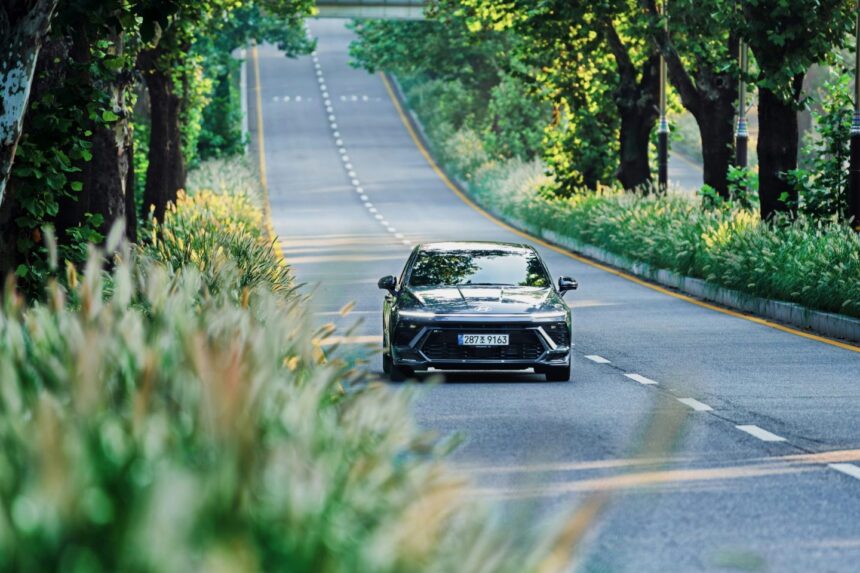
(Photo by Hyundai Motor Group)
Learn More About AI and Big Data
For those interested in exploring more about AI and its intersections with big data, the upcoming AI & Big Data Expo in Amsterdam, California, and London promises to feature insights from industry leaders and innovators. This event is part of TechEx and will shed light on future technological advancements and applications.
AI News is powered by TechForge Media, focusing on delivering valuable insights about enterprise technology and trends.
Inspired by: Source


