


The Innovative Aluminum Energy Engine: Revolutionizing Industrial Processes
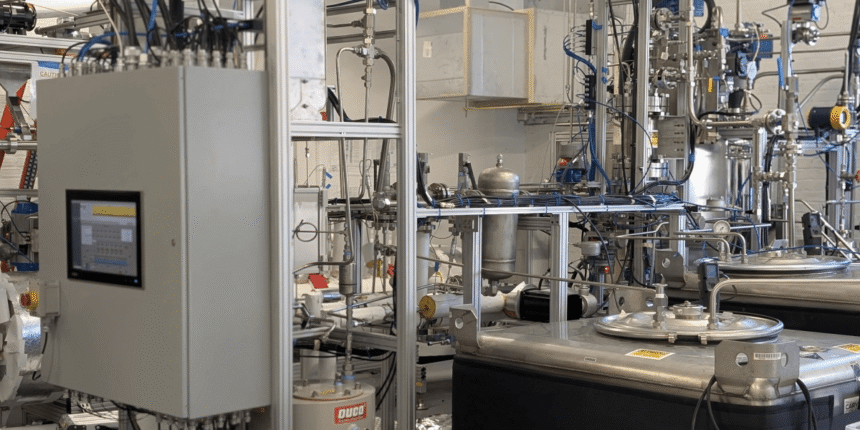
At the forefront of sustainable industrial innovation, a new engine designed to harness the energy released from aluminum has emerged. This pioneering engine will initially use its capabilities to generate hot steam and hydrogen, opening up a myriad of applications across various industries. Godart, the project’s lead researcher, elaborates on how the thermal energy from the reactor can be transformed into efficient electricity generation or high-temperature processes.
Transforming Heat into Energy
The versatility of this engine lies in its ability to produce hot steam that can spin a turbine, generating electricity. Alternatively, the hydrogen generated can be utilized in a fuel cell for electrical production. Remarkably, by burning hydrogen in conjunction with steam, the engine can create superheated steam at temperatures reaching 1,300 °C. This superheated steam can not only improve electricity generation efficiency but also be beneficial for refining chemicals.
The potential doesn’t stop there. Should hydrogen be burned individually, temperatures can soar as high as 2,400 °C—sufficiently hot to facilitate the steel-making process. This adaptability opens a treasure trove of opportunities for industries looking to leverage thermal energy efficiently.
Aluminum Refining and Recycling: A Primary Target
Initially, Godart and his team are setting their sights on the aluminum refining and recycling industry. This sector is already adept at managing scrap metal and aluminum oxide supply chains. Godart emphasizes that aluminum recyclers are eager for a solution to recycle challenging aluminum waste, requesting assistance in converting this waste into clean heat for re-melting other aluminum products.
Due to nondisclosure agreements, specific companies cannot be named, but Godart reveals that the issue of unrecyclable aluminum is somewhat of a “dirty secret” in an industry that promotes recycling. The International Aluminium Institute estimates that over 3 million metric tons of aluminum intended for recycling are ultimately not processed each year. Furthermore, an additional 9 million metric tons either remain uncollected for recycling or are incinerated with other refuse.
Addressing Industrial Demand for Heat
While recovering unused aluminum scrap could provide a valuable fuel source, it is important to consider that it would only satisfy a fraction of the industrial sector’s overall heat demand. Godart aims to expand beyond the constraints of available scrap, envisioning a future where aluminum hydroxide extracted from the reactor can be “recharged.” This process would employ clean electricity to convert it back into aluminum metal, creating a continuous cycle of energy use and production.
According to company estimates, this closed-loop method could potentially supply the entire global demand for industrial heat utilizing around 300 million metric tons of aluminum, which constitutes merely 4% of the Earth’s extensive aluminum reserves. This innovative approach highlights the potential for aluminum to play a significant role in meeting industrial energy needs.
Challenges of Energy Storage and Decarbonization
Nevertheless, this ambitious plan comes with its challenges. The recharging process necessitates a substantial energy input. Jeffrey Rissman, an expert in industrial decarbonization at Energy Innovation, points out that the aluminum fuel serves primarily as an energy storage technology rather than a direct energy supplier. The viability of this system relies heavily on accessing low-cost, clean electricity, a resource that will become increasingly competitive as various sectors, including AI and heat pumps, vie for sustainable power.
Despite these hurdles, Godart remains optimistic about the potential of his company’s technology. He believes the engine has untapped capabilities, possibly achieving a power output of up to half a megawatt, indicating there’s still room for enhancement.
James Dinneen is a science and environmental journalist based in New York City.
Inspired by: Source


