


Revolutionizing the Steel Industry: The Promise of Green Hydrogen
Factories have historically relied on fossil fuels to process iron ore, a practice that has been prevalent for over three centuries. Sadly, this intense reliance has taken a significant toll on our environment. According to the International Energy Agency, the steel industry is responsible for a staggering 8% of global carbon dioxide emissions. As we move toward a more sustainable future, it’s crucial to explore cleaner alternatives that can reduce our carbon footprint while still meeting industry demands.
The Challenge of Carbon Emissions in Steel Production
The conventional methods for producing steel primarily utilize coal and natural gas. While these fossil fuels have powered industries for generations, the by-product of their combustion—carbon dioxide—contributes heavily to climate change. The challenge, then, is finding a sustainable method to replace these harmful fuels without compromising production efficiency.
The Green Hydrogen Solution
Enter green hydrogen. Unlike traditional fuels, hydrogen combustion yields only water as a by-product, making it a far more environmentally friendly option. By utilizing renewable energy sources such as wind, solar, or hydroelectric power to generate hydrogen, the entire steel production process can significantly reduce its carbon emissions. If we can harness this clean hydrogen effectively, the steel industry could drastically minimize its environmental impact.
HyIron’s Innovative Approach
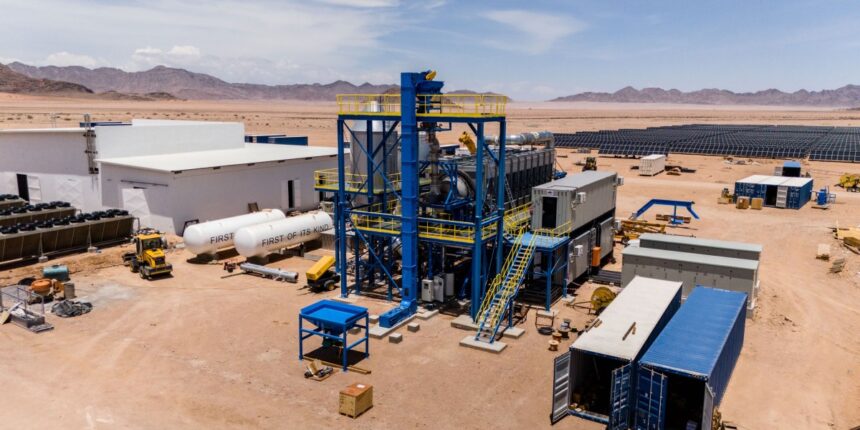
One notable company pioneering this transformation is HyIron, located in the Namib Desert. They are among a select few companies globally that are banking on green hydrogen to facilitate a cleaner steel production method. The potential of HyIron and similar initiatives lies not only in their ability to lessen carbon output but also in their capacity to stimulate local economies and create job opportunities.
The Opportunity for Namibia
In Namibia, the stakes are high. The government, trading partners, and hydrogen innovators must collaborate to develop an industry that meets global clean energy demands. This partnership could help facilitate the growth of a robust hydrogen market, benefiting not just the environment but also the lives of Namibia’s citizens.
More Read

With an emphasis on sustainability, Namibia has the chance to position itself as a leader in the green hydrogen space. However, this ambitious goal requires strategic planning, substantial investment, and commitment from various stakeholders.
The Global Context
Globally, the push for cleaner fuels is gaining momentum. Countries and corporations alike are recognizing the urgency of reducing carbon emissions and are investing heavily in green technologies. Steel production is no exception. As companies adopt greener methods, the implications extend beyond environmental benefits; they also represent a major shift in how industries operate and compete in a rapidly evolving market.
The Call for Clean Energy Collaboration
For nations like Namibia, the cooperative endeavor between local governments, industry leaders, and renewable energy advocates is essential. The timely development of hydrogen infrastructure not only promises cleaner production methods but also supports national goals around economic development and sustainability.
The Role of Innovations
Innovations in technology and production methods will play a pivotal role in this transformation. As research continues and technologies mature, the feasibility of large-scale hydrogen production for steelmaking becomes more realistic. This shift could drastically alter the landscape of the steel industry and its environmental impact.
Looking Ahead: The Future of Steel Manufacturing
As HyIron and similar companies push the envelope on what’s possible with green hydrogen, the focus will increasingly shift toward sustainable practices in sectors traditionally reliant on carbon-heavy processes. The transition to cleaner alternatives like hydrogen in steel production represents not just an environmental necessity but also a significant economic opportunity.
With the right investments, partnerships, and innovations, the steel industry can build a future that aligns with global sustainability goals. The excitement around green hydrogen serves as a hopeful reminder that technological advancements can address some of the most pressing challenges we face today in combating climate change.
Explore further insights about the future of clean energy and how industries globally are adapting to new standards in sustainability. By engaging in the conversation and evaluating emerging technologies, we can collectively work towards a greener, cleaner future for everyone.
Inspired by: Source


