


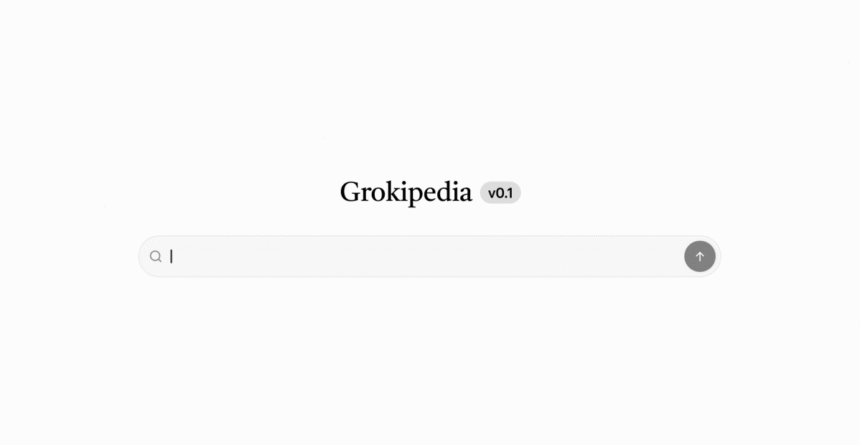
Understanding Grokipedia and the Enduring Power of Wikipedia
As we continue to navigate the evolving landscape of digital information, the emergence of platforms like Grokipedia invites curiosity. Although we are still deciphering how Grokipedia operates, it sheds light on the broader conversations happening around knowledge-sharing online, especially when juxtaposed with the tried-and-true model of Wikipedia.
The Foundation of Wikipedia
Since its inception in 2001, Wikipedia has established itself as the backbone of online knowledge. Managed by the Wikimedia Foundation, Wikipedia stands out as the only major website globally operated as a nonprofit. This unique status is key to its enduring success and credibility. Unlike newer knowledge projects, Wikipedia thrives on transparent policies, rigorous volunteer oversight, and a thriving culture of continuous improvement.
A Commitment to Neutrality and Inclusiveness
One of Wikipedia’s core principles is its commitment to neutrality. It is designed to inform billions without promoting any particular viewpoint. This ideal creates a rich tapestry of information sourced from diverse backgrounds and expertise, allowing readers to explore various topics comprehensively. Each entry is a collective effort, reflecting not only facts but also the plurality of human experience.
The Role of Human Knowledge
What sets Wikipedia apart is its foundation in human knowledge. The platform thrives on open collaboration and consensus-building among its volunteers. This democratic process helps create a living, evolving record of human understanding. The diverse contributors collectively weave a narrative that represents global perspectives and interests, driven by curiosity and a passion for sharing knowledge.
Interestingly, this human-driven model underpins many AI technologies, including Grokipedia itself. The algorithms that power AI-generated content heavily rely on the wealth of information that Wikipedia has meticulously curated over the years. Therefore, it’s clear that even alternatives like Grokipedia need the foundation that Wikipedia has laid.
More Read

Nonprofit Independence: A Key Differentiator
Wikipedia’s unique position as a nonprofit organization is pivotal to its identity. With no advertisements and strict policies against data selling, the platform maintains a level of trust that commercial websites often struggle to achieve. This independence allows Wikipedia to prioritize its mission: providing free, reliable knowledge to anyone with internet access.
For over two decades, this commitment to user-centered values has kept Wikipedia at the forefront of trusted online resources. Users can be assured that the knowledge they access is balanced, well-researched, and free from commercial bias, distinguishing it from for-profit alternatives that may prioritize profit over integrity.
Embracing Innovation While Upholding Tradition
Despite its long-standing success, Wikipedia understands the importance of innovation in the digital age. Various experiments to create alternative versions or complements to Wikipedia, such as Grokipedia, have emerged over the years. However, these attempts do not interfere with Wikipedia’s work or mission. Instead, they underscore the importance of diverse approaches to knowledge dissemination.
As Wikipedia approaches its 25th anniversary, it remains committed to its foundational values while embracing opportunities for growth and adaptation. The platform continues to evolve, promoting free and trustworthy knowledge backed by a dedicated volunteer community that is ever-evolving in response to the needs of its users.
For those interested in a deeper understanding of how Wikipedia operates, its official website and blog series offer valuable insights into the mechanics behind this monumental platform. As we explore the future of knowledge-sharing, Wikipedia’s legacy and ongoing impact will remain crucial in shaping how we access and contribute to the world of information.
Inspired by: Source


