


Transforming Quantum Computing: The Launch of QUAlibrate by Quantum Machines
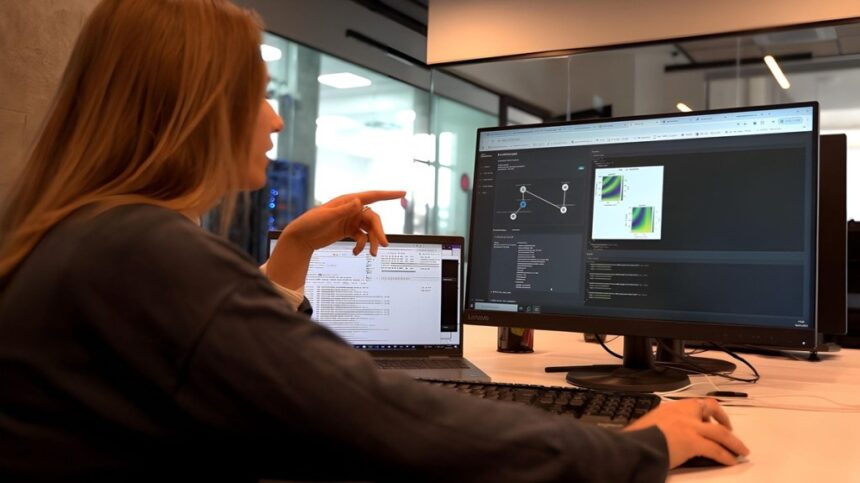
Quantum Machines, a pioneering provider of hybrid quantum-classical control solutions, has made a significant leap in the realm of quantum computing with the announcement of QUAlibrate. This open-source framework is poised to revolutionize the way quantum computers are calibrated, dramatically reducing the time required from hours to mere minutes.
- Transforming Quantum Computing: The Launch of QUAlibrate by Quantum Machines
- The Calibration Challenge in Quantum Computing
- Introducing QUAlibrate: A Solution for Fast, Modular Calibration
- A Modular Framework for Collaborative Innovation
- Real-World Applications and Demonstrations
- Opportunities for Proprietary Developments
- Future Prospects: Collaborations and Integrations
- Get Involved with QUAlibrate
The Calibration Challenge in Quantum Computing
Calibration is crucial for ensuring that a quantum computer operates efficiently and effectively. Due to the delicate nature of quantum systems, calibration isn’t a one-time task; it must be performed regularly to counteract system drift and maintain optimal performance. As quantum systems increase in complexity, especially with the advent of larger qubit systems, the calibration challenge becomes exponentially more daunting. For instance, calibrating a 100-qubit superconducting quantum computer can take up to two days from scratch, and even a recalibration can consume over an hour. This becomes impractical as researchers aim for systems with hundreds of thousands of qubits.
Introducing QUAlibrate: A Solution for Fast, Modular Calibration
QUAlibrate addresses these critical bottlenecks by providing a fast and modular calibration solution. By offering a comprehensive platform for creating, executing, and sharing calibration protocols, it opens the door for collaboration across the quantum computing community. This collaborative approach allows researchers and companies to build upon each other’s innovations, accelerating the advancement of practical quantum computers.
Yonatan Cohen, CTO of Quantum Machines, emphasizes the dual focus on calibration speed and accuracy, stating, “We care both about how long it takes to calibrate and about how good the calibration is.” The open-source nature of QUAlibrate encourages a communal effort in overcoming the challenges of calibration, facilitating the rapid sharing of new algorithms and protocols.
A Modular Framework for Collaborative Innovation
QUAlibrate transforms the traditional calibration process from a series of isolated scripts into a modular, collaborative system. Researchers and quantum engineers can create reusable calibration components, combine them into complex workflows, and execute them through an intuitive interface. This abstraction of hardware complexities enables teams to concentrate on the logic of quantum systems rather than getting bogged down by low-level details.
More Read

The framework has already shown tangible benefits in real-world applications. John Martinis, CTO of Qolab, praised QUAlibrate for its transformative impact, stating that full calibrations can now be completed in under 10 minutes—tasks that previously required up to two hours of manual labor. This newfound efficiency allows teams to refocus their efforts on accelerating quantum processing unit (QPU) development.
Real-World Applications and Demonstrations
In a recent demonstration at the Israeli Quantum Computing Center (IQCC), QUAlibrate successfully completed a multi-qubit calibration of superconducting qubits in just 140 seconds. This remarkable achievement underscores the framework’s potential to enhance speed and efficiency in practical quantum computing environments.
The collaborative ecosystem fostered by QUAlibrate means that when researchers develop innovative calibration protocols, they can share their advancements immediately. This feature not only accelerates the validation process but also encourages a culture of continuous improvement within the quantum computing community.
Opportunities for Proprietary Developments
Beyond its collaborative capabilities, QUAlibrate also allows companies to build proprietary solutions on top of the framework. This includes leveraging advanced approaches such as quantum system simulation and deep learning algorithms. The open-source nature of QUAlibrate, combined with its modular architecture, creates a fertile ground for fundamental calibration advances while still enabling specialized tools that push performance boundaries.
Quantum Machines is also releasing its first calibration graph specifically for superconducting quantum computers. This complete calibration solution can be deployed and customized right away, showcasing QUAlibrate’s practical applicability.
Future Prospects: Collaborations and Integrations
Looking ahead, Quantum Machines is partnering with Nvidia to develop software libraries that will integrate QUAlibrate with cutting-edge accelerators like the Nvidia DGX Quantum. This collaboration aims to further enhance calibration speeds and fidelity using machine learning models, heralding an exciting future for quantum computing.
Since its inception in early 2018 by a team of PhD physicists, Quantum Machines has raised an impressive $280 million from leading investors. With a growing workforce of approximately 170 people across various locations, the company is well-positioned to lead the charge in quantum technology advancements.
Get Involved with QUAlibrate
Quantum computing researchers and engineers eager to leverage the capabilities of QUAlibrate can access the open-source repository at GitHub. The launch of this framework signifies a monumental step towards overcoming one of the most pressing challenges in quantum computing, paving the way for more accessible and efficient quantum technology development.
Inspired by: Source


