


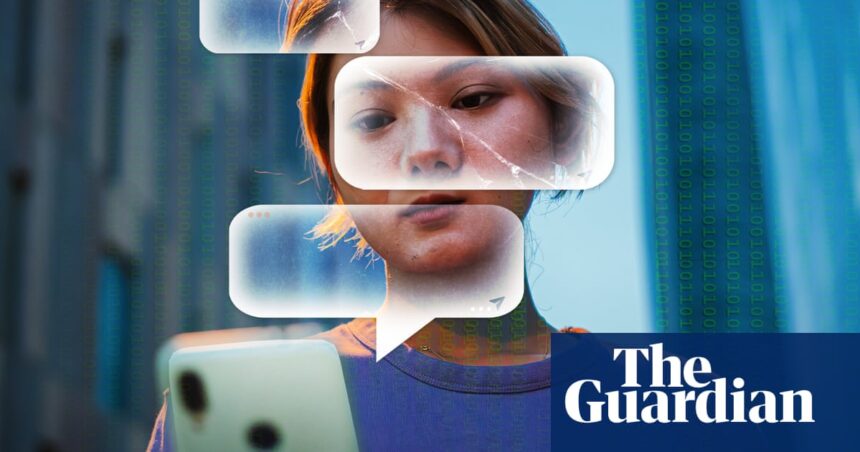
The Rise of AI Chatbots in Mental Health Support: A Double-Edged Sword
Understanding the Surge in AI Utilization
In recent years, there has been a marked increase in the use of AI chatbots for mental health support, especially in East Asian communities. As illustrated by the experiences of individuals like Ann Li and Yang, many people find solace in engaging with AI during moments of distress. Li, a Taiwanese woman, expressed that it’s often easier to confide in AI during the quiet of the night when she needs someone to talk to.
Yang, a 25-year-old from Guangdong, shares a similar sentiment, stating that traditional mental health services are dauntingly out of reach. Her decision to engage with chatbots stems from a lack of access and the struggle to open up to friends or family. This trend highlights the growing necessity for support in mental health as societal pressures and stigma continue to loom.
Bridging the Gap: AI Chatbots vs. Traditional Therapists
The accessibility of AI chatbots has become a crucial factor for individuals seeking mental health assistance. With rising rates of mental illness, particularly among younger generations in Taiwan and China, the demand for immediate, non-judgmental support has soared. Chatbots allow users to communicate discreetly, easing the stigma tied to seeking help. According to mental health professionals, many individuals prefer the convenience AI offers over traditional channels, which can be time-consuming and costly.
In Taiwan, ChatGPT is the most popular option, while in China, local alternatives like Baidu’s Ernie Bot have gained traction. These AI platforms rapidly integrate therapeutic techniques, feeding into the public’s increasing desire for mental well-being solutions.
Experiences and Perceptions of AI Chatbots
While users are drawn to AI chatbots for their availability, the experiences vary widely. For some, like Nabi Liu, the responses from AI feel personal and genuine. Liu claims that AI responds with immediacy and seriousness, creating an interaction that is often more satisfactory than conversations with friends who might not fully relate. However, others, like Li, recognize a trade-off: while AI can offer quick answers, it often lacks the depth of insight that comes from human engagement, missing crucial aspects of self-discovery that traditional therapy provides.
More Read

This dichotomy illustrates the pros and cons of relying on AI for mental health assistance. AI can serve as a preliminary step toward human interaction but may also lead to oversimplified solutions, without recognizing the complex emotions behind user queries.
The Need for Caution
Despite the advantages, caution is needed when turning to AI for mental health issues. Mental health professionals express concerns about patients failing to recognize signs of deeper problems when relying solely on chatbots. Historical cases of individuals seeking help solely from AI and suffering tragic consequences underscore the dangers of forgoing professional support altogether.
Dr. Yi-Hsien Su underscores the limitation of AI in recognizing the non-verbal cues often essential in a therapy setting. While chatbots may be adept at processing text, they cannot interpret the nuances of human emotion that trained professionals utilize to assess and respond to the emotional state of clients.
AI: An Auxiliary Tool?
The Taiwan Counselling Psychology Association acknowledges the potential of AI in promoting mental health awareness but emphasizes its role as an auxiliary tool rather than a replacement for professional help. The complexities and interpersonal dynamics inherent in therapy cannot be substituted by AI capabilities.
Moreover, the quick positivity of AI responses can sometimes mislead users about the severity of their situations. Insights from human therapists remain irreplaceable, especially in crisis scenarios where nuanced understanding and immediate intervention are critical.
Future Applications of AI in Mental Wellness
While there are inherent limitations when it comes to AI chatbots in mental health, professionals like Dr. Su are excited about their potential for modernizing therapeutic practices. Future applications may include training for professionals and identifying individuals in need of assistance through online interactions.
AI has the capacity to streamline some processes in mental health care; however, a careful approach is needed to ensure these tools are used effectively and ethically. As technology continues to evolve, finding a balance between human intervention and AI support will be pivotal in fostering better mental health outcomes for all.
Conclusion
As the landscape of mental health support continues to evolve, embracing AI chatbots can provide a valuable resource for many. Yet, it is essential to understand their limitations and the importance of human connection in therapeutic practices. Amidst the technological advancements, prioritizing compassionate, professional support remains crucial for ensuring comprehensive mental health care.
Inspired by: Source


