


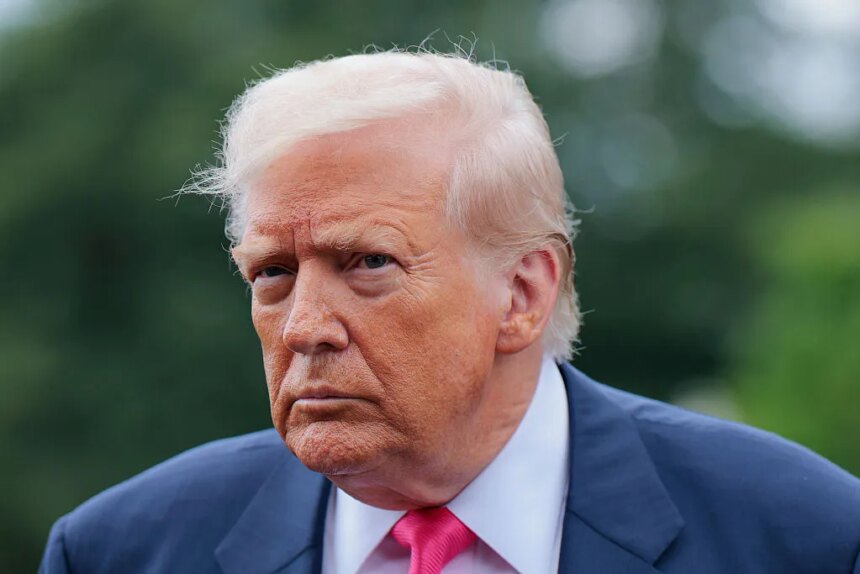
Trump Directs Federal Agencies to Cut Ties with Anthropic Amidst AI Controversy
In a significant move that has sent ripples through the tech and defense sectors, President Donald Trump announced on his Truth Social platform that he has ordered federal agencies to cease all use of Anthropic products. This action comes on the heels of a public dispute between Anthropic and the Department of Defense (DoD), marking a pivotal turning point in the intersection of artificial intelligence and national security.
The Backstory: Anthropic’s Stance on AI Ethics
At the heart of this controversy lies Anthropic’s refusal to allow its AI models to be used for mass domestic surveillance or fully autonomous weapons—issues that Secretary of Defense Pete Hegseth deemed overly restrictive. The company, co-founded by former OpenAI executives, has consistently advocated for strict ethical guidelines when it comes to military applications of AI. Dario Amodei, CEO of Anthropic, reaffirmed this position, emphasizing that safeguarding these principles is paramount for the company’s continued relationship with the Department of Defense.
The President’s Directive
In his post, President Trump declared, “We don’t need it, we don’t want it, and will not do business with them again.” The directive includes a six-month phase-out period for federal departments that currently utilize Anthropic products. Interestingly, the president did not mention designating the company as a supply chain risk—a topic that had been floated as a potential consequence of the ongoing dispute.
However, Secretary Hegseth swiftly followed the president’s announcement by officially designating Anthropic as a "Supply-Chain Risk to National Security." He stated, “Effective immediately, no contractor, supplier, or partner that does business with the United States military may conduct any commercial activity with Anthropic.” This strong stance indicates serious implications for the company’s future prospects within federal contracts.
Broader Reactions Across the Tech Community
While this unfolding saga took center stage, it didn’t go unnoticed by other players in the AI ecosystem. OpenAI, a prominent competitor of Anthropic, publicly supported their position on ethical AI use. According to reports from the BBC, CEO Sam Altman expressed his agreement with Anthropic’s "red lines," signaling a unified front among certain sectors within the tech community.
More Read

Even Ilya Sutskever, a co-founder of OpenAI who has charted his own path after parting ways with the organization, chimed in. He tweeted his support for Anthropic’s decision, further cementing the notion that ethical considerations in AI development are paramount across the field.
OpenAI Steps In Following Trump’s Order
Within hours of the Trump administration’s directive, OpenAI moved quickly to establish a partnership with the Pentagon. Altman revealed that this deal would uphold the ethical standards that both Anthropic and OpenAI advocate, particularly around the avoidance of domestic surveillance and the development of autonomous offensive weaponry. The quick pivot is indicative of the fast-paced nature of the tech industry and the urgent attention to ethical considerations in AI deployments.
The Pentagon’s AI Strategy: A Broader Perspective
This conflict illustrates a larger narrative surrounding AI and national security. In recent years, as AI technologies have become increasingly integral to military operations, the necessity to harness these capabilities alongside ethical considerations has been at the forefront of discussions within the government and industry. Anthropic’s refusal to bend on these two critical points—mass surveillance and autonomous weapons—underscores the ongoing tension between technological advancement and ethical governance.
As the situation continues to develop, both Anthropic and OpenAI signify a growing sense of responsibility in positioning themselves within the national security framework. Each company aims to navigate the complexities of working with the government without compromising their core values.
Future Implications: What Lies Ahead for Anthropic and OpenAI
The response from sectors within the tech community and the speed with which OpenAI moved to step into the breach left by Anthropic have implications for the future of AI in military and government applications. It may also set a precedent for how other tech companies approach contracts with governmental agencies, unearthing questions about ethical accountability and practical feasibility.
As we watch this narrative unfold, it’s clear that the intricate dance between innovation, national security, and ethical accountability will continue to shape discussions in AI and defense industries. The engagements between Anthropic, OpenAI, and the U.S. government may serve as a bellwether for the future landscape of artificial intelligence governance in national security contexts.
This article has been compiled and updated with the latest developments on the topic to provide a comprehensive perspective for stakeholders in the tech, defense, and policy sectors.
Inspired by: Source


