


The Rise of AI-Powered Scams: Insights from Microsoft’s Cyber Signals Report
AI-powered scams are rapidly evolving, posing significant threats to consumers and businesses alike. According to Microsoft’s latest Cyber Signals report, cybercriminals are increasingly leveraging artificial intelligence to enhance their fraudulent schemes. This alarming trend underscores the urgent need for awareness and proactive measures against sophisticated scams.
The Scale of the Problem
Over the past year, Microsoft has thwarted an astounding $4 billion in fraud attempts, blocking approximately 1.6 million bot sign-up attempts every hour. This staggering statistic highlights the scale of the threat that AI-powered scams pose today. The ninth edition of Microsoft’s Cyber Signals report, titled "AI-powered deception: Emerging fraud threats and countermeasures," reveals how AI has lowered the technical barriers for cybercriminals. Even those with minimal skills can now create sophisticated scams in a matter of minutes rather than weeks.
The democratization of fraud capabilities represents a significant shift in the criminal landscape, affecting consumers and businesses globally. This evolution in scam tactics amplifies the importance of understanding how these technologies are being misused.
The Evolution of AI-Enhanced Cyber Scams
Microsoft’s report details how AI tools can efficiently scan and scrape the web for company information, allowing cybercriminals to craft detailed profiles of potential targets. This capability enables highly convincing social engineering attacks, where victims are lured into complex fraud schemes through seemingly legitimate means.
Fraudsters now utilize fake AI-enhanced product reviews and AI-generated storefronts, complete with fabricated business histories and testimonials. According to Kelly Bissell, Corporate Vice President of Anti-Fraud and Product Abuse at Microsoft Security, the surge in cybercrime is alarming. He notes, “Cybercrime is a trillion-dollar problem, and it’s been going up every year for the past 30 years.” The report emphasizes the opportunity to adopt AI to counter these threats effectively.
More Read

E-commerce and Employment Scams: The Major Culprits
Two areas where AI-enhanced fraud is particularly concerning are e-commerce and job recruitment scams. In the e-commerce arena, fraudulent websites can be established in mere minutes using AI tools. These sites often mimic legitimate businesses, employing AI-generated product descriptions, images, and customer reviews to deceive consumers.
Adding another layer of sophistication, AI-powered customer service chatbots can engage with customers convincingly. They can stall chargebacks with scripted excuses and manipulate complaints with AI-generated responses, making scam sites appear professional. This level of deception makes it increasingly challenging for consumers to identify fraudulent operations.
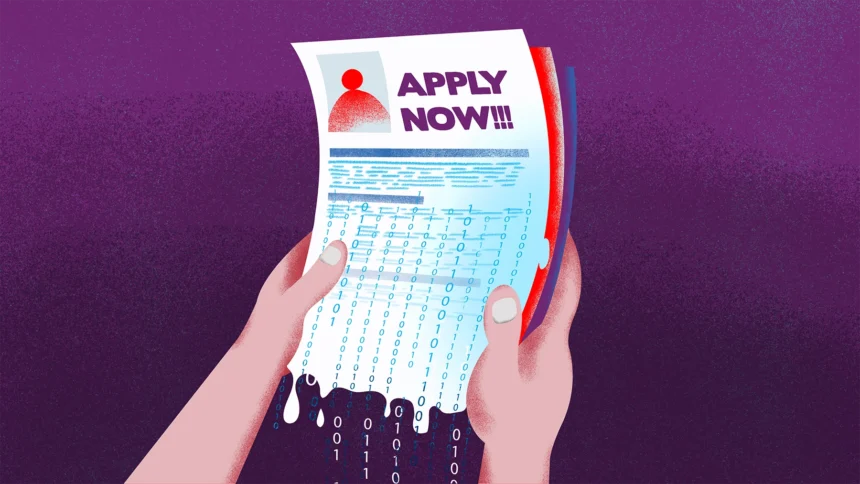
Job seekers are equally vulnerable. Generative AI has significantly simplified the creation of fake job listings across various platforms. Scammers produce fake profiles using stolen credentials and auto-generate job postings that look authentic. AI-powered email campaigns also contribute to phishing efforts targeting job seekers.
The report highlights that fraudsters often request personal information, such as resumes or even bank account details, under the guise of verifying the applicant’s information. Red flags for job seekers include unsolicited job offers, requests for payment, and communication through informal platforms like text messages or WhatsApp.
Microsoft’s Countermeasures Against AI Fraud
In response to the growing threat of AI-powered scams, Microsoft has implemented a multifaceted approach across its products and services. Microsoft Defender for Cloud provides essential threat protection for Azure resources, while Microsoft Edge features website typo and domain impersonation protection. The use of deep learning technology in Edge helps users avoid fraudulent websites, showcasing Microsoft’s commitment to user security.
Additionally, Microsoft has enhanced Windows Quick Assist with warning messages to alert users about potential tech support scams. On average, Microsoft blocks 4,415 suspicious Quick Assist connection attempts daily, reflecting its proactive stance.
As part of its Secure Future Initiative (SFI), Microsoft introduced a new fraud prevention policy effective January 2025. This policy mandates that product teams perform fraud prevention assessments and implement fraud controls during the design process, ensuring that products are “fraud-resistant by design.”
Enhancing Consumer Awareness
As AI-powered scams continue to evolve, consumer awareness remains critical. Microsoft advises users to be vigilant, particularly regarding urgency tactics in communications. Verifying website legitimacy before making purchases and refraining from sharing personal or financial information with unverified sources are essential steps to mitigate risks.
For enterprises, implementing multi-factor authentication and deploying deepfake-detection algorithms can significantly reduce the likelihood of falling victim to these sophisticated scams.
Upcoming Events and Learning Opportunities
To stay informed about the latest trends in AI and cybersecurity, consider attending industry events such as the AI & Big Data Expo taking place in Amsterdam, California, and London. This comprehensive event is co-located with other leading conferences, including the Intelligent Automation Conference and Cyber Security & Cloud Expo.
Explore more upcoming enterprise technology events and webinars powered by TechForge to enhance your understanding of these critical issues and stay ahead of emerging threats.
Inspired by: Source


