


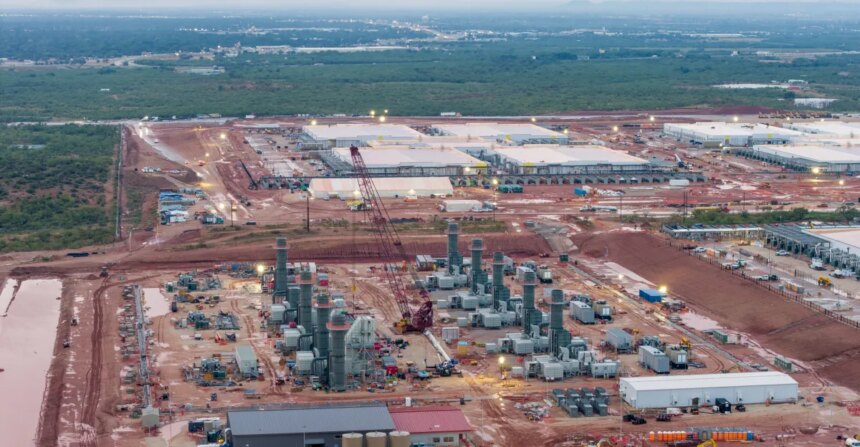
The Rise of Gas Power Plants in the U.S.: Powering Data Centers and Concerns for Climate Change
The United States is experiencing a new wave of energy demand, primarily fueled by the growing need for data centers. In this era where data-driven technology is the norm, the country is now at the forefront of constructing new gas power plants, a decision that has significant implications for our planet’s health.
Surge in Gas-fired Power Generation
In recent years, the global development of gas-fired power generation has seen a staggering increase, rising by 31% in 2025. The U.S. has become a key player in this surge, accounting for nearly 25% of the added capacity—surpassing China in the process. A compelling aspect of this growth is that over one-third of this new capacity is earmarked for data centers, as identified in a meticulous analysis by the nonprofit organization Global Energy Monitor (GEM).
Data Centers: The Demand Drivers
The rise of generative AI and other advanced technologies has led to a surge in the installation of powerful hardware in data centers. Consequently, forecasts suggest that energy demand will skyrocket. However, the long-term viability of this explosive growth remains uncertain; there are concerns that many of the proposed data centers may never achieve operational status. Despite this uncertainty, the push to install new gas power plants continues, creating a potential roadblock in transitioning toward cleaner energy sources.
The Environmental Impact of More Gas
The adage "more gas means more planet-heating pollution" rings particularly true in today’s context. With the increasing reliance on gas as a power source, there is a growing concern about the environmental repercussions. While gas is often considered less harmful than coal due to lower carbon emissions during combustion, it is crucial to remember that gas production releases methane—a greenhouse gas much more potent than carbon dioxide, albeit with a shorter atmospheric lifespan.
Continued Investment in Gas Power
GEM’s project manager, Jenny Martos, highlighted the risks associated with the current trajectory: "There is a risk that this capacity could lock in future emissions and become stranded assets if anticipated electricity demand from AI never materializes." The impending energy projects could lead to higher emissions in the long run, particularly if they’re left underutilized.
More Read

Record Capacity on the Horizon
The year 2026 is laying the groundwork to shatter records in gas power plant installations. If all proposed projects are completed, this would signify a capacity increase even surpassing the remarkable surge witnessed during the early 2000s, often dubbed the “shale gas revolution.” While gas has become a cheaper alternative to coal and produces comparatively lower carbon emissions, the focus should increasingly shift towards sustainable energy sources that can effectively meet growing power demands without exacerbating climate change.
Pivoting Away from Climate Goals
The ramp-up in gas electricity generation is a concerning shift away from the ambitious climate goals set nearly a decade ago in the Paris Agreement. Back then, nations worldwide—including the two largest greenhouse gas emitters, China and the U.S.—committed to limiting global warming by replacing fossil fuels with cleaner energy alternatives. To meet the most ambitious targets outlined in the Paris Agreement, it’s imperative to drastically reduce greenhouse gas emissions and transition to renewable energy sources by around 2050.
Thus, as the U.S. leads a global surge in constructing gas power plants, the ramifications for our climate may be profound. The conversation surrounding energy generation is not merely about meeting immediate demands but also about taking responsibility for the future of our planet.
Inspired by: Source


