


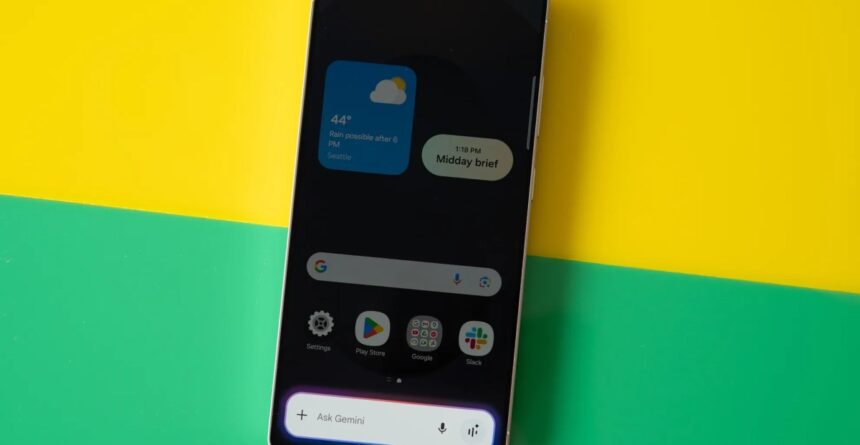
Google Assistant vs. Gemini: The Transition Timeline Update
In recent developments, Google has announced a significant adjustment to its plans regarding the transition from Google Assistant to Gemini on Android devices. Originally slated for a completion by the end of 2025, the company now states that users will continue having access to Google Assistant until 2026. This change is aimed at ensuring a seamless transition for users as Google incorporates its next-generation AI assistant into its mobile ecosystem.
Understanding Gemini: The Upcoming AI Assistant
Gemini is Google’s latest artificial intelligence initiative designed to enhance user interactions across devices. It’s built to provide more intuitive responses and a generally smoother experience than its predecessor, Google Assistant. By making this shift, Google aims to offer a more robust and versatile assistant that integrates advanced AI capabilities, offering users a broader range of functionalities.
Timeline Update: What’s Changing?
On Friday, Google confirmed that the timeline for the transition will extend into 2026. This decision reflects the company’s commitment to ensuring a smooth and user-friendly changeover. The adjustment means that users will still have time to familiarize themselves with Gemini before Google makes Assistant entirely unavailable on compatible devices.
Key Features of Gemini
One of the most notable changes this year has been Gemini’s incremental rollout of features that mimic those of the Assistant. In particular, users can now initiate phone calls, set timers, and send messages with Gemini, even without the Gemini Apps Activity toggle enabled. This allows users to enjoy certain assistant-like features while maintaining control over their data by opting out of having their interactions used for AI training.
User Experience and Data Privacy
One core concern of any technology shift is user privacy. Google appears to be mindful of this aspect during the transition. By allowing users to utilize some features of Gemini without fully engaging with the AI’s data training processes, the company is striving to empower users with choices. This will enable individuals to explore Gemini’s capabilities while maintaining a level of privacy that may not have been fully achievable with Google Assistant.
More Read

The Future of Google Assistant
Once the transition to Gemini is complete, users will no longer be able to access Google Assistant on devices that meet the minimum requirements for running Gemini. This means that the iconic voice assistant, which has been a staple feature of Android devices, will officially be phased out. Moreover, users will need to brace themselves for the unavailability of the Google Assistant app entirely.
This transition represents a pivotal moment for Google, as it aims to solidify its place in the competitive landscape of AI-driven technology. By enhancing user experience while being conscious of privacy concerns, Google is setting a precedent for future technological upgrades.
Staying Updated on AI Developments
As Google progresses towards this significant shift, it’s essential for users to stay informed about updates regarding Gemini. Engaging with community forums, news outlets, and Google’s official announcements will provide valuable insights that can help users adapt to changes as they arise.
In summary, while the transition from Google Assistant to Gemini will bring about changes in functionality and user experience, Google’s focus remains on delivering a seamless transition. With extensions to the timeline, users have more time to adapt to the upcoming features and shifts, ensuring that their tech experience evolves smoothly into the future.
Inspired by: Source


