


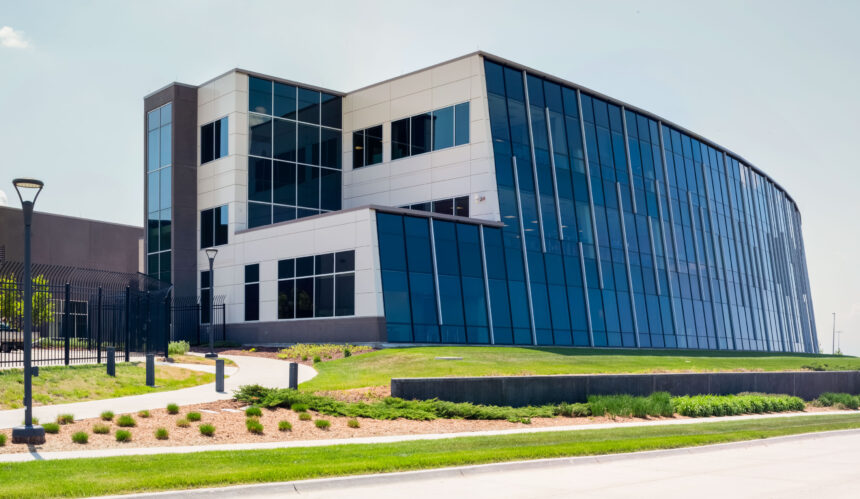
The recent unanimous approval by Lancaster County commissioners of a 304-megawatt solar plant near Lincoln has made headlines, marking it as one of the largest solar initiatives in Nebraska. Despite this progress toward renewable energy, local opponents have voiced their concerns. At the forefront of the project is NextEra Energy Resources, a Florida-based corporation that has been advocating for solar energy. In a recent statement, the company’s CEO commended the Trump administration’s policies, touting solar and energy storage as the quickest route to enhance the energy supply.
TERRY RATZLAFF
Nebraska is predominantly a red state, with only around 66% of adults acknowledging the reality of global warming, based on a study by the Yale Program on Climate Change Communication. The state was firmly in Trump’s corner in the past election, with almost 60% of the vote, although Lancaster County presents a more divided picture, having voted purple.
“There are no simple answers,” says Anyanwu, embodying the spirit of moderation and reflection. “In our industry, a lot of people engage in ideological debates and want those debates to remain binary. Yet, it should be evident that complexity is the hallmark of energy issues. The truth is seldom clear-cut.”
Navigating the Technical Challenges
As Lancaster Electric System (LES) embarks on this crucial project, the most pressing question remains: how can capacity be added without escalating costs or carbon emissions? This dilemma came to the forefront for LES starting in April 2024. Like many utilities across the United States, LES partners with an independent Regional Transmission Organization (RTO) to ensure the reliability of electricity supply. These organizations play a pivotal role in managing the electricity market by balancing supply and demand.
The core principle of the electricity market is akin to a community potluck: each utility must bring enough power to meet its peak demand, contributing to a collective “feast” that benefits all participants. This pooling of resources enhances both reliability and economic efficiency, especially in a larger grid that can manage fluctuations swiftly.
However, the landscape has changed, and the demand for energy is surging. The challenge lies in the fact that with traditional power plants, understanding capacity was relatively straightforward: a gas or coal plant could reliably produce a set amount of power. Wind and solar, notwithstanding their environmental benefits—and zero fuel costs—do not follow that same predictability.
The concept of “resource adequacy” has morphed into a complex equation of averages and forecasts. Utilities need to consider seasonal peaks—the times when energy demand is at its highest. On days of record-breaking temperatures, every power plant must be operational. Yet, solar and wind energy generation doesn’t always align with such demand peaks. Cloudy summer days can disrupt solar output, while the shorter winter days limit sunlight exposure. Traditional coal and gas plants also face reliability issues, often undergoing maintenance or grappling with operational disruptions due to weather impacts on gas supply pipelines.
Politics had suddenly become beside the point; the new goal was to keep the lights—and the AI data centers—on.
In response to this dynamic energy landscape, the Southwest Power Pool (SPP)—the RTO overseeing a significant part of Nebraska and surrounding areas—made notable changes in August 2024. They revised their “accreditations,” essentially modifying how much power each type of generation source could reliably contribute during peak demand periods. The new grading system evaluates each power source on a curve. For instance, if a gas plant has a history of operational failures, its contribution is less valuable. Conversely, wind power may receive a higher rating in winter when wind conditions are more favorable, while solar output is prioritized in summer months with longer daylight hours.
Inspired by: Source


![Understanding Watermarking as a Fundamental Monitoring Tool: Key Insights from [2605.13095]](https://aimodelkit.com/wp-content/uploads/2026/10/1793030419_arxiv-logo-fb-150x150.png "Understanding Watermarking As A Fundamental Monitoring Tool: Key Insights From [2605.13095]")


