


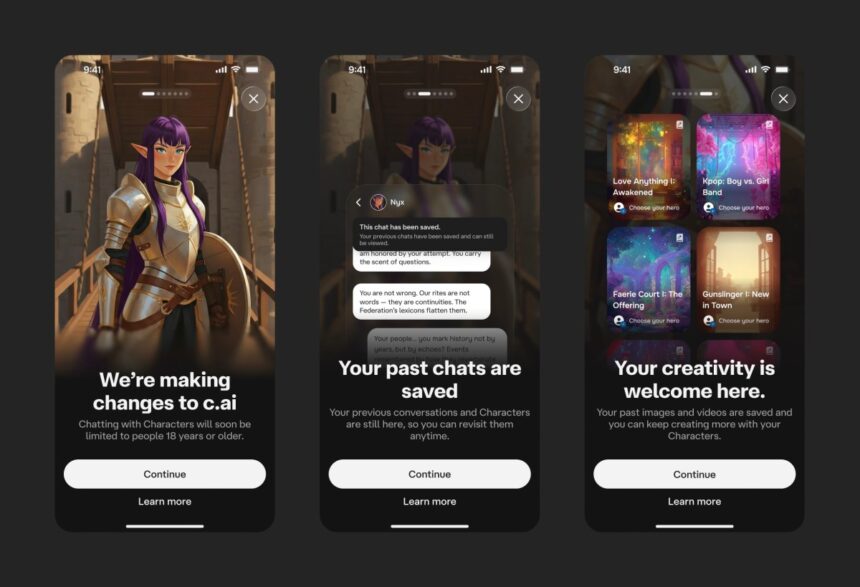
Character.AI Launches “Stories” Feature: A New Era for Interactive Fiction
Character.AI has made headlines with the announcement of its latest feature, “Stories,” aimed at enhancing user engagement through interactive fiction. Unveiled on Tuesday, this new format allows users to create narratives featuring their favorite characters, providing a refreshing alternative to the chatbot experience that has recently come under scrutiny.
The Shift Away from Chatbots
As of this week, Character.AI has restricted access to its chatbots for users under the age of 18, a response to growing concerns regarding the mental health implications of AI interactions. The company’s decision aligns with increasing caution surrounding AI technologies, following lawsuits against prominent firms like OpenAI and Character.AI due to their roles in tragic user outcomes.
Character.AI’s phased withdrawal of chatbot access for minors underscores the urgency of addressing these ethical concerns. The company stated that while chatbots offer open-ended conversations, they can lead to unhealthy dependency among younger users. The introduction of the “Stories” feature represents a pivot to a guided format—one that fosters creativity while promoting a safer environment for teenage users.
Interactive Fiction’s Rising Popularity
The surge in interest for interactive fiction over the past few years positions Character.AI’s new feature as not only timely but necessary. This creative format allows users to develop and explore stories collaboratively, setting it apart from more traditional interactions with AI. The company assured its users that “Stories” would coexist with other multimodal features, ensuring a diverse range of engagement options—one that prioritizes user safety.
Despite the advantages, many users have expressed a nuanced reaction to this transition. On the Character.AI subreddit, opinions are divided, with some teens voicing their disappointment while others acknowledge the benefits of restriction. One teenage user expressed a mix of frustration and relief, highlighting a struggle with dependency on chatbot interactions.
More Read

Community Reactions: A Mixed Bag
The conversations on social media reflect a broader sentiment about the changes. Many users recognize the need for safer engagement with AI, albeit reluctantly. “I’m so mad about the ban but also so happy because now I can do other things and my addiction might be over finally,” commented one user, encapsulating the bittersweet reality of the new landscape. Another echoed this sentiment, acknowledging the potential for improvement: “As someone who is under 18, this is just disappointing, but rightfully so because people my age get addicted to this.”
The feedback highlights an essential aspect of this shift: while the community may be resistant, there is an underlying acknowledgment of the need for responsible AI usage. It raises an intriguing question: will “Stories” satiate the desires of users who have grown accustomed to the interactive freedom of chatbots?
Benefits of the “Stories” Format
Unlike open-ended chatbots, which can engage users in conversations even when they’re not actively participating, the “Stories” format operates within defined boundaries. This structured storytelling approach reduces the risk of unintended psychological impacts associated with unmoderated AI interactions. Users can actively participate in crafting narratives, leading to an enriched imaginative experience without the potential pitfalls of constant engagement.
Character.AI’s restructuring also coincides with recent legislative actions, notably California’s new regulations on AI companions. This move illustrates a broader shift towards safeguarding minors in digital spaces, prompting tech companies to rethink their offerings.
Regulatory Environment and Future Implications
The decision by Character.AI to gate chatbot access comes amid growing concerns in the tech community about how AI can affect vulnerable populations. With measures from state legislatures, such as California’s regulations, and proposed national bills aimed at limiting access to AI companions for minors, the industry is being urged to adopt stricter guidelines.
Character.AI CEO, Karandeep Anand, has underscored the importance of these developments. In a statement to TechCrunch, he expressed hope that the company’s move would set a precedent for the AI industry, advocating for age-appropriate products that minimize the risks associated with open-ended AI conversations.
As the landscape evolves, the effectiveness of the “Stories” feature in engaging youth remains to be seen, but it indeed marks a significant step in addressing both user needs and ethical responsibilities in the realm of artificial intelligence.
Inspired by: Source


