


Are A.I. Chatbots in Plush Toys a Screen Time Alternative for Kids?
In an age dominated by screens, the introduction of A.I.-powered plush toys has stirred interest among parents looking for innovative ways to engage their children. These cuddly companions, designed to interact with kids through conversation and play, are marketed as a viable alternative to traditional screen time. But are they truly a better option, or do they come with their own set of concerns?
- Are A.I. Chatbots in Plush Toys a Screen Time Alternative for Kids?
- The Rise of A.I. Plush Toys
- Cautions and Concerns: The View from the Experts
- The Parenting Dilemma: To Embrace or Not?
- The Balance Between Technology and Imagination
- Evaluating the Experience: What Parents Should Consider
- Understanding the Role of A.I. Toys in Family Life
The Rise of A.I. Plush Toys
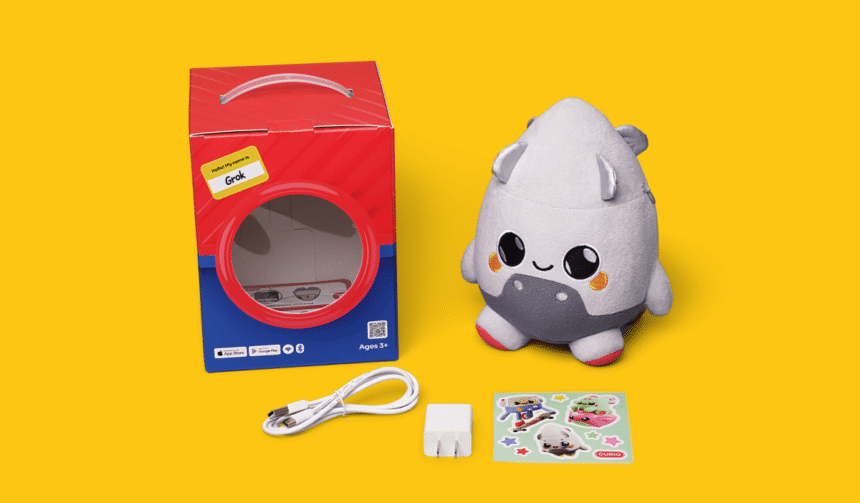
A number of companies, including the startup Curio, have jumped on the trend of integrating artificial intelligence into soft toys. Their products, like Grem and Grok, are designed to provide companionship that feels more interactive than a standard teddy bear. The marketing emphasizes that these plush A.I. toys offer kids a cuddly distraction from screens—an alluring idea for many parents aiming to reduce their children’s screen time habits.
Cautions and Concerns: The View from the Experts
However, not everyone is convinced that A.I. plush toys are the golden ticket to educational entertainment. Amanda Hess from The New York Times shared her reservations after experiencing a demonstration with Grem. Her initial interactions led her to feel that Grem was less of an upgrade from the traditional lifeless teddy bear and more like a substitute for human interaction. This perspective raises an important concern: Are we replacing meaningful connections with technology?
Hess argues that while these conversational plushies may keep children engaged away from screens momentarily, they still reinforce the idea that the ultimate source of interaction and curiosity is tied to technology. This thought is particularly troubling when considering the developmental implications for young minds.
The Parenting Dilemma: To Embrace or Not?
Despite her reservations, Hess eventually allowed her children to play with Grem but took a significant step—she removed the voice box. This compromise enabled the kids to engage with Grem on their own terms. They found joy in imaginative play, treating the plush toy more like a traditional stuffed animal. However, this situation begs the question of how much interaction is appropriate with such toys and what role they should play in a child’s life.
More Read

The Balance Between Technology and Imagination
The crux of the issue seems to lie in finding a balance between technology and traditional play. Children have a natural inclination towards curiosity and exploration, and many parents worry that giving them A.I. toys could stifle that urge. Instead of cultivating creativity through imaginative play, these plush companions may inadvertently send the message that understanding the world is best done through a digital lens.
Furthermore, Hess points out that while Grem offered a talking experience, it still lacked the depth and emotional understanding that human relationships provide. This raises important questions about how essential human interaction is for a child’s emotional and social development.
Evaluating the Experience: What Parents Should Consider
As parents evaluate the allure of A.I. plush toys, several factors come into play. It’s crucial to consider the age of the child, their attachment to technology, and how these toys fit into family dynamics. For some, integrating A.I. companions into their homes could offer a fresh and exciting way to engage children. For others, the concern about replacing human interaction might be too significant a trade-off.
Moreover, how these toys affect social skills and emotional intelligence over time remains uncertain. Keeping children grounded in reality and helping them navigate real-life relationships will always be paramount.
Understanding the Role of A.I. Toys in Family Life
Instead of viewing A.I. plush toys as an all-or-nothing solution to screen time, parents might consider incorporating them as supplementary to traditional toys and family interactions. This approach could enable kids to enjoy the novelty of talking plushies while still engaging in more interactive and imaginative play with family and friends.
As the landscape of children’s toys continues to evolve, it’s crucial for parents to stay informed about the implications of these technological advancements. A balanced and reflective approach can help ensure that A.I. toys enrich, rather than detract from, children’s growth and development.
In summary, while A.I. chatbots packaged inside plush toys like Grem and Grok present an intriguing alternative to screens, the underlying questions about child development, emotional connection, and the essence of play are worth exploring.
Inspired by: Source


