


California’s Groundbreaking AI Safety Bill: SB 53 Set for Governor’s Approval
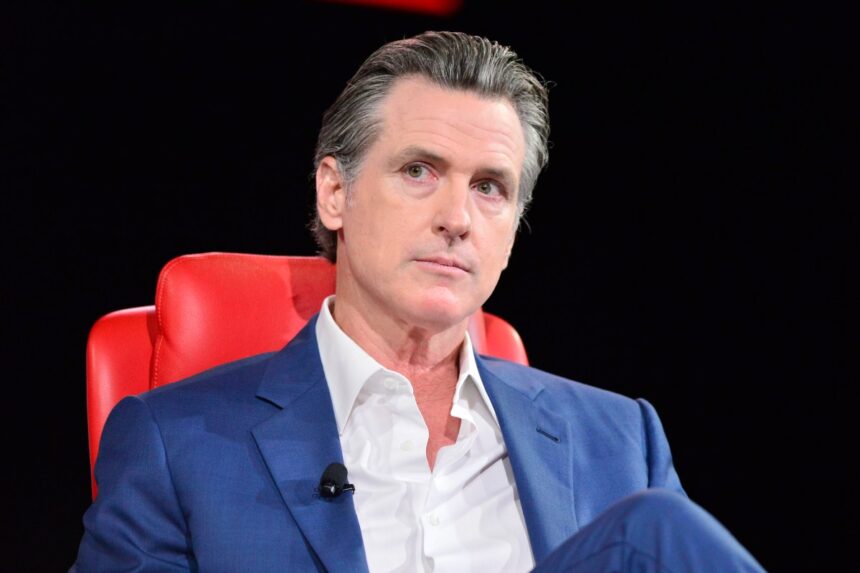
In a significant move toward regulating artificial intelligence, California’s state senate approved a pivotal AI safety bill, known as SB 53, early on Saturday morning. The legislation aims to implement new transparency measures for larger AI companies, ensuring a safer and more accountable AI landscape. With its final approval, the bill now awaits the signature of California Governor Gavin Newsom.
Key Features of SB 53
Authored by State Senator Scott Wiener, SB 53 introduces several vital measures designed to enhance safety protocols in the evolving AI sector. Notable provisions of the bill include:
-
Transparency Requirements: Large AI labs will be mandated to disclose their safety protocols. This is a crucial step in fostering transparency and accountability, helping to mitigate potential risks associated with AI technologies.
-
Whistleblower Protections: Employees working at AI labs will receive protections when reporting unsafe practices. This encourages a culture of safety where workers can voice concerns without fear of retaliation.
- Public Cloud Initiative (CalCompute): SB 53 proposes the creation of a public cloud to expand compute access, making technology more accessible to various stakeholders, including smaller companies and researchers.
These measures are particularly timely as concerns about AI applications continue to rise, highlighting the need for responsible innovation.
The Path to Approval
The bill’s passage comes after a series of discussions and compromises. Earlier, Governor Newsom vetoed a more comprehensive safety bill authored by Wiener. The governor expressed the need for caution, emphasizing that strict standards should only apply to high-risk AI applications. However, following consultations with a policy panel of AI experts, SB 53 was shaped to address these concerns more adequately.
Recent Amendments
Politico reported that recent amendments to SB 53 introduce a tiered compliance system. Companies developing “frontier” AI models generating less than $500 million in annual revenue will only need to provide broad safety details. In contrast, larger companies exceeding this revenue threshold will face requirements for more detailed reporting. This differentiation aims to balance regulation and innovation, ensuring that smaller companies are not disproportionately burdened.
More Read

Opposition from Tech Giants
Despite the bill’s progressive measures, it has faced resistance from several influential entities in Silicon Valley. A coalition of major technology firms, venture capitalists, and lobbying groups has expressed concerns over the implications of SB 53. For instance, OpenAI, while not mentioning SB 53 directly, urged that compliance with state regulations should be contingent upon adherence to existing federal or European standards to avoid redundancy and inconsistencies.
Concerns Over Interstate Commerce Regulations
Leading voices in the tech community, such as Andreessen Horowitz’s head of AI policy, have raised alarms that current state-level AI regulations might infringe on constitutional boundaries relating to interstate commerce. Their stance emphasizes potential complications arising from regulating a technology that crosses state lines, highlighting the need for a more unified approach to AI governance.
Support for SB 53
Notably, not all industry players are opposed to SB 53. Anthropic, a key player in the AI field, has publicly endorsed the bill. Co-founder Jack Clark articulated that while a federal regulatory framework would be ideal, SB 53 provides a robust foundation for AI governance in its absence. This endorsement illustrates the complex dynamics within the tech industry, where some are advocating for stricter oversight.
The Future of AI Regulation in California
As SB 53 heads to Governor Newsom’s desk, its fate remains uncertain. While the Governor has not publicly commented on the bill yet, its approval could set a precedent for AI regulation not just in California but potentially across the United States. Advocates argue that a strong regulatory framework will not only protect the public but also foster trust in AI technologies—an essential component for their wider adoption and integration into society.
The conversation surrounding AI governance is far from over as stakeholders from various sectors continue to engage in dialogue. With the landscape rapidly evolving, the implications of SB 53—and the responses it elicits—will be closely watched by both supporters and opponents of AI regulation alike.
Inspired by: Source


