


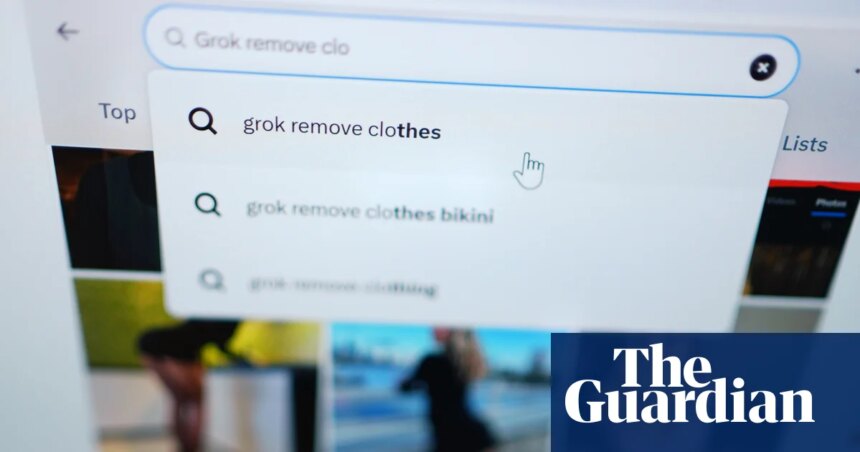
The Rise of AI-Generated Images on Elon Musk’s X: Legal and Ethical Implications
The rapid proliferation of AI-generated images, particularly those depicting partly clothed women through tools like Grok AI, has sparked significant concern on social media platforms, notably Elon Musk’s X. As these images circulate widely, a pressing question arises: Is it legal to create and post such images without the subject’s consent? Furthermore, should such content be promptly removed from X?
Understanding the Legal Landscape in the UK
In the UK, the legal framework surrounding the sharing of intimate images is complex and evolving. The Sexual Offences Act explicitly criminalizes the sharing of intimate images without consent. This includes any AI-generated images that depict individuals in compromising situations, such as nudity or semi-nudity. The law defines intimate images as those showing exposed genitals, buttocks, or breasts—essentially encompassing any portrayal that a reasonable individual would classify as sexual.
However, legal experts, such as Clare McGlynn, a law professor at Durham University, assert that not every instance qualifies. For instance, inputting a prompt like “bikini” may not be strictly covered under current laws, hence creating legal gray areas.
Additionally, the Online Safety Act addresses harmful content, prohibiting messages that could cause non-trivial psychological or physical harm. Violators, like Brandon Tyler—jailed for creating and distributing deepfake pornography—highlight ongoing enforcement challenges in the realm of digital intimacy.
Responsibilities of Tech Companies: A Closer Look
Tech companies have a crucial role to play in the regulation of intimate content. Under the Online Safety Act, they are mandated to actively monitor and manage the presence of abusive content, ensuring prompt removal upon discovery. Platforms like X face substantial fines—up to 10% of their global revenue—if found negligent in their responsibilities.
The scrutiny extends to Grok AI, owned by Musk’s xAI. Given the reports of its use for producing adult images, regulators are evaluating whether robust age-verification measures are in place to prevent access by minors.
Are Nudifying Apps and Websites Legal?
Currently, in the UK, the creation of non-consensual intimate images, often termed as "revenge porn," is illegal. The government has introduced new legislation under the Data (Use and Access) Act, aiming to make the creation and solicitation of such images a criminal offense. However, this law has yet to come into force, creating a lag in enforcement and regulatory response.
Despite legislative intentions, many individuals continue to exploit these loopholes, leaving victims vulnerable. A pressing concern remains about jurisdiction, especially when perpetrators operate from outside UK borders, complicating legal recourse.
Addressing Child Exploitation: A Disturbing Trend
A particularly alarming facet of the AI image issue involves child exploitation. Reports from the Internet Watch Foundation (IWF) indicate that Grok has potentially been utilized to create indecent images of children, constituting illegal child sexual abuse material under UK law.
It is crucial to understand that the law treats any indecent image of a person under 18, regardless of its origin—whether a photo or AI-generated—equally serious. The implication is clear: those creating or sharing such images could face severe legal consequences.
What to Do If Your Image Has Been Manipulated on X
Victims of manipulated imagery have legal avenues for recourse. Under UK General Data Protection Regulation (GDPR), individuals have the right to request the removal of their images shared on platforms like X. Such images are considered personal data, and their unauthorized manipulation constitutes a GDPR violation.
If X fails to respond, individuals can escalate complaints to the Information Commissioner’s Office. Legal claims for defamation may also be pursued in cases where manipulated images damage a person’s reputation. For quicker assistance, victims can contact the Revenge Porn Helpline, a government-funded service dedicated to helping manage and mitigate the impact of non-consensual intimate content online.
Navigating the Future of AI and Image Sharing
As the proliferation of AI-generated imagery continues, the need for clear, concise, and firm regulatory frameworks becomes increasingly critical. Individuals, tech companies, and lawmakers must collaborate to create a safer online environment that respects personal privacy and consent. While current laws exist, the dynamic and ever-evolving landscape of technology necessitates ongoing discussions about ethics, legality, and the protection of individual rights.
Inspired by: Source


