


A Gentle Primer on LLM Explainability
Introduction
AI Explainability (XAI) has transformed the landscape of AI systems in recent years, with large language models (LLMs) at the forefront of this evolution. As these robust models continue to gain traction, understanding their decision-making processes becomes essential. Moving from static evaluation methods to more dynamic and comprehensive assessments will enhance our grasp of how LLMs generate natural language outputs. Moreover, the integration of robust statistical techniques with production-ready frameworks for observability is crucial for industry advancements. This article discusses the state of LLM explainability, including recent developments and trends that aim to interpret and manage these complex AI systems.
LLM Explainability: The Need for Clarity
Despite their revolutionary impact on the AI field, LLMs operate as black boxes, leaving many of their inner workings obscure. This opacity raises significant concerns, especially in high-stakes environments where decisions influenced by LLM responses have profound implications. As industries increasingly adopt LLMs, XAI becomes more relevant, seeking to clarify not just whether an LLM’s response is correct, but more fundamentally, why a model arrives at a particular answer.
Historically, LLM performance has been gauged through static benchmark tests. However, recent research reveals that many models tend to memorize these tests instead of demonstrating true reasoning capabilities. This shift emphasizes the urgent need for dynamic evaluation frameworks that assess LLM behavior under novel scenarios curated by experts in the field.
The Search for Understanding: Deeper Insights into XAI
What lies at the core of XAI, particularly in the context of LLMs? It’s about delving beneath the surface to uncover the rationale behind model outputs. One effective strategy involves model-agnostic local explanations. A prominent example is the SMILE framework (Statistical Model-Agnostic Interpretability with Local Explanations), which assesses how slight modifications in user prompts affect the generated text.
Rather than relying on simplistic proximity metrics, these frameworks utilize advanced statistical distance measures. This allows for creating visual heatmaps that indicate the most influential words or phrases in the user input that guided the model’s response.
More Read
An important tool in this pursuit is gSMILE, a variant of the SMILE framework, designed to elucidate how LLMs process different components of a prompt.
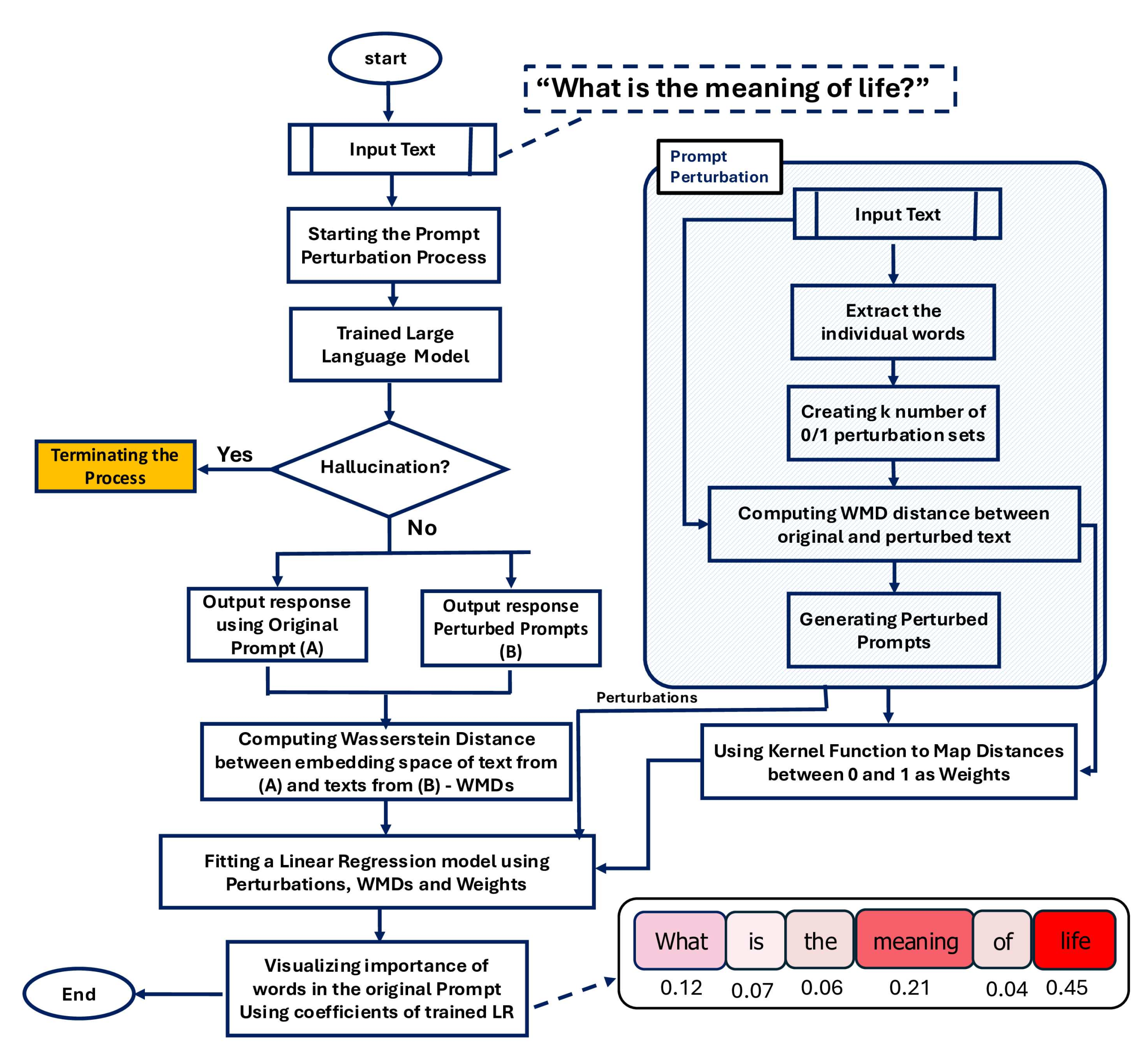
Image by LLM-SMILE
Bridging the Gap: Accessible Solutions for Developers
While advanced frameworks like gSMILE offer valuable insights, they also pose challenges, especially when dealing with massive, closed-source LLMs. These models often require extensive API calls to assess internal reasoning, which can be prohibitively expensive. Recent studies have highlighted the critical need for budget-friendly solutions that make model interpretability accessible to a wider audience of developers.
Researchers have proposed a proxy solution using smaller open-source models to approximate the intricacies of larger proprietary LLMs. This approach maintains high-fidelity explanations while significantly reducing costs, democratizing access to model interpretability.
Practical Observability: Tools for Developers
In addition to theoretical advancements, there’s a noticeable trend toward practical observability. Engineering teams are increasingly relying on platforms like CometLLM to track LLM interactions. These tools facilitate the capture of prompt iterations and granular metadata, enhancing the reproducibility of workflows. This level of observability enables developers to debug pipelines effectively, even without a deep mathematical background.
Community-Driven Resources: The Future of LLM XAI
The advancements and shifts observed within LLM explainability indicate a rapidly evolving landscape. As research accelerates and cost-effective solutions emerge, community-driven platforms for LLM XAI are becoming indispensable. By combining robust statistical evaluation techniques with accessible engineering solutions, we can gradually unlock the black box of LLMs. This approach not only fosters the development of powerful AI models but also promotes transparency and trustworthiness, essential characteristics for their responsible use in society.
Further Reading and Resources
If you’re keen to explore this topic further, consider delving into the following key references and resources that address LLM explainability and AI transparency in greater depth.
Iván Palomares Carrascosa is a recognized leader, writer, speaker, and advisor in AI and machine learning. He dedicates his efforts to educating others on the practical applications of AI in various fields.
Inspired by: Source


