


Milestone Achievement in Advanced Nuclear Technology: X-energy and Dow’s Collaboration
As the world grapples with the urgent need for sustainable energy solutions, advancements in nuclear technology are making headlines. One significant step forward comes from X-energy, a pioneering company in the realm of advanced nuclear reactors. Though it may take years for these reactors to become operational, the recent application submitted for regulatory approval signifies a crucial milestone, highlighting the potential of advanced nuclear technology to revolutionize industrial processes.
The Journey of X-energy and the NRC
Harlan Bowers, senior vice president at X-energy, emphasizes the significance of this moment, stating, “This has been a long time coming.” The collaboration between X-energy and the U.S. Nuclear Regulatory Commission (NRC) has been a lengthy yet promising journey that began in 2016. By 2018, the company had already submitted its first regulatory engagement plan, marking the initial steps in a process that would ultimately lead to the development of safer and more efficient nuclear reactors.
In 2020, X-energy’s commitment to innovation was further recognized when the U.S. Department of Energy selected the company as one of the awardees of the Advanced Reactor Demonstration Program. This initiative aims to fund next-generation nuclear technologies that can provide clean, reliable energy. Such endorsements highlight not only the potential of X-energy’s technology but also the growing recognition of advanced nuclear reactors as vital components of the future energy landscape.
Joint Development Agreement with Dow
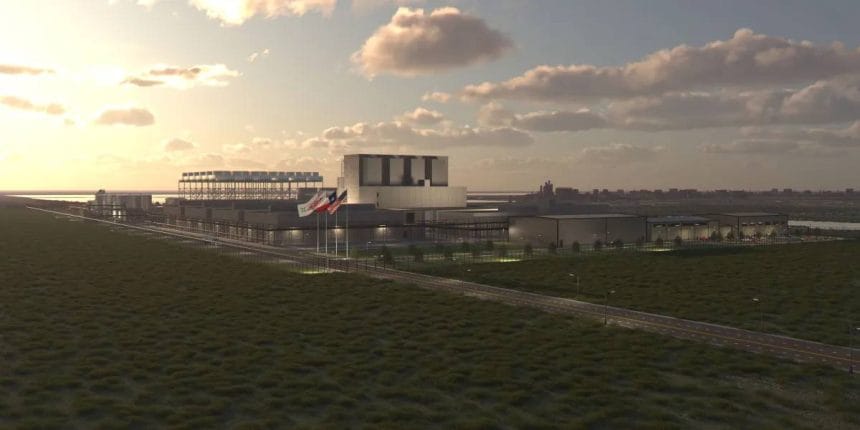
Two years ago, X-energy and Dow Chemical Company entered a joint development agreement to explore the application of advanced nuclear technology at Dow’s Seadrift plant in Texas. This partnership reflects a strategic move towards integrating lower-carbon-emission energy solutions into industrial operations. The Seadrift facility, which produces an impressive 4 billion pounds of materials annually, including plastics for food packaging and chemicals for antifreeze and soaps, has been relying on an aging natural-gas plant for steam and electricity.
Recognizing the need for modernization, Dow aimed to replace its end-of-life assets with innovative technologies that align with sustainability goals. Edward Stones, an executive at Dow, noted, “Dow saw the opportunity to replace end-of-life assets with safe, reliable, lower-carbon-emissions technology.” This statement underscores the urgency and importance of transitioning to cleaner energy sources, not only for the environment but also for the longevity of industrial processes.
More Read

The Role of Advanced Nuclear Reactors
Advanced nuclear reactors, particularly those designed by X-energy, are positioned as an ideal solution for the Seadrift site. One of the key advantages of these reactors is their ability to deliver high-temperature steam, which is essential for various industrial applications. Unlike traditional nuclear reactors, advanced designs are engineered to be safer, more efficient, and capable of adapting to the specific energy needs of modern manufacturing processes.
This capability is particularly crucial for Dow, as it looks to enhance its operational efficiency while simultaneously reducing carbon emissions. By integrating nuclear technology into its energy mix, Dow not only aims to lower its environmental footprint but also to ensure a more reliable and consistent energy supply for its extensive production needs.
Future Implications for Industrial Energy Use
The collaboration between X-energy and Dow represents a broader trend in which industries are increasingly turning to advanced nuclear technology to meet their energy demands. As more companies recognize the benefits of this clean energy source, the landscape of industrial energy use is poised to change dramatically. Advanced nuclear reactors could provide a stable, low-emission alternative that not only enhances operational efficiency but also aligns with global efforts to combat climate change.
As the world moves towards a more sustainable future, the ongoing developments in advanced nuclear technology will be closely watched by industries, policymakers, and environmental advocates alike. The successful implementation of projects like the one at Dow’s Seadrift plant could serve as a model for future collaborations aimed at harnessing the power of nuclear energy for industrial applications, ultimately leading to a greener, more sustainable economy.
Source: Original Article


