


Nvidia Expands U.S. AI Chip Manufacturing: A New Era for Technology and Jobs
Nvidia has announced the commissioning of over a million square feet of manufacturing space in Arizona and Texas, marking a significant move to bolster domestic production of AI chips and supercomputing infrastructure.
New Manufacturing Initiatives in Arizona and Texas
Nvidia, the leading chipmaker in the AI sector, is making substantial investments in U.S. manufacturing. The company has revealed plans to establish over a million square feet of manufacturing space specifically focused on producing and testing AI chips. This initiative is set to take place in Arizona and Texas, with the aim of relocating a portion of its production capabilities back to American soil.
Production of Nvidia Blackwell Chips Begins
The production of Nvidia’s latest Blackwell chips has already commenced at TSMC’s state-of-the-art chip facilities in Phoenix, Arizona. In addition, Nvidia is in the process of constructing advanced “supercomputer” manufacturing plants in Texas. Collaborations with major players such as Foxconn in Houston and Wistron in Dallas are pivotal to this expansion. In Arizona, Nvidia is partnering with Amkor and SPIL, focusing on packaging and testing operations to ensure high-quality chip production.
Projected Growth and Economic Impact
Nvidia anticipates that mass production at the new facilities in Houston and Dallas will begin to ramp up within the next 12 to 15 months. Over the next four years, the company aims to produce an incredible half a trillion dollars’ worth of AI infrastructure in the U.S. This ambitious target is expected to generate hundreds of thousands of jobs and drive trillions of dollars in economic activity in the coming decades, significantly impacting the American job market and economy.
Strengthening Supply Chain Resilience
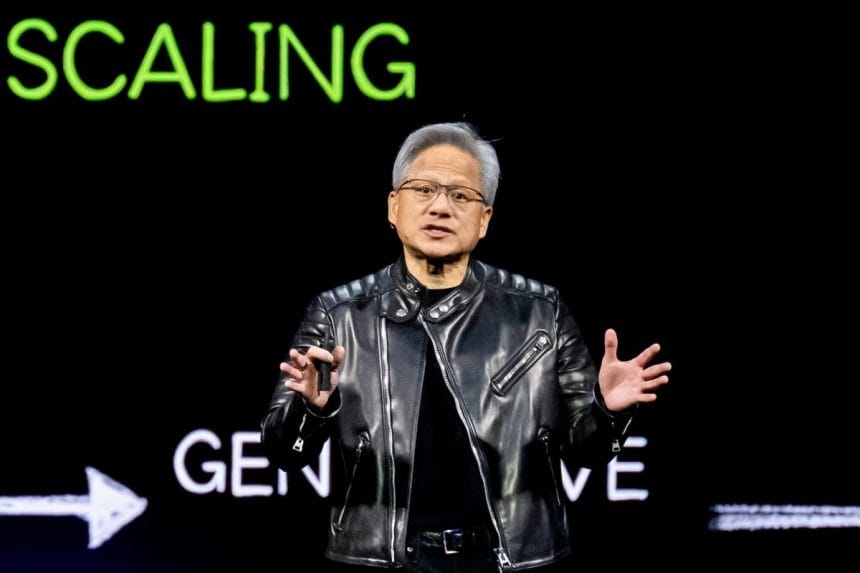
According to Nvidia CEO Jensen Huang, the shift towards American manufacturing is crucial for meeting the surging demand for AI chips and supercomputers. “The engines of the world’s AI infrastructure are being built in the United States for the first time,” Huang stated. This move not only strengthens Nvidia’s supply chain but also enhances its resilience against international market fluctuations.
Political Context and Industry Dynamics
The announcement comes at a time when Nvidia narrowly avoided facing export controls on its advanced H20 chips. Reports indicate that Huang made a commitment to invest in new AI data centers within the U.S. as part of negotiations with the Trump administration, showcasing the political dimensions of tech production. Other companies in the AI sector are also aligning their strategies with the “America-first” approach, with OpenAI, for instance, launching a $500 billion U.S. data center initiative alongside SoftBank and Oracle.
Challenges Ahead for U.S. Chip Manufacturing
Despite the optimistic outlook, Nvidia and other manufacturers face significant hurdles in ramping up domestic chip production. Retaliatory tariffs and trade restrictions from China pose a threat to the supply of essential raw materials required for chip manufacturing. Additionally, the industry is grappling with a severe shortage of skilled workers, which could hinder the pace of production and innovation in the sector.
As Nvidia embarks on this ambitious journey to reshape the AI chip landscape in the U.S., the developments promise to have far-reaching implications for the technology industry and the economy as a whole. The ongoing focus on domestic production reflects broader trends in global supply chains and highlights the critical role of innovation and workforce development in sustaining growth in this vital sector.
This is a breaking story, check back for updates.
Inspired by: Source


