


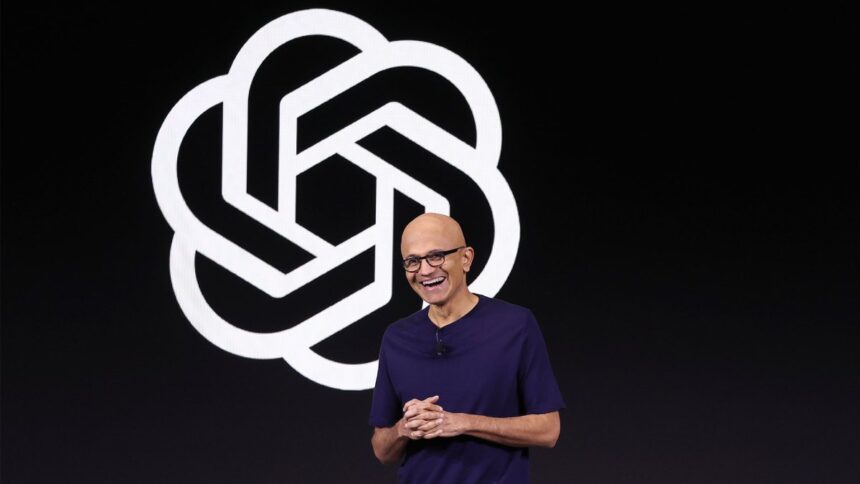
Microsoft and OpenAI: A Potential Game-Changing Partnership on the Horizon
Microsoft is reportedly in advanced discussions with OpenAI regarding a transformative agreement that could secure ongoing access to the startup’s groundbreaking technology, even if OpenAI reaches what it terms as AGI (Advanced General Intelligence). This potential deal aims to clear significant hurdles in OpenAI’s transition to a fully commercial enterprise, marking a pivotal moment in both companies’ trajectories.
Ongoing Negotiations
According to Bloomberg, Microsoft and OpenAI have been actively negotiating for a while now, with the expectation of reaching an agreement within a few weeks. Despite the positivity surrounding the talks, sources have noted possible challenges, including regulatory scrutiny and ongoing legal issues, such as Elon Musk’s lawsuit aimed at blocking OpenAI’s for-profit transition. This multi-faceted situation indicates the complexity of the negotiations as both parties seek a mutually beneficial arrangement.
OpenAI’s Current Structure
OpenAI operates under a unique framework: a mission-driven non-profit that oversees a capped for-profit entity. This innovative structure is designed to limit how fully it can commercialize its technology and raise capital. Although OpenAI has successfully raised billions and functions similarly to a traditional tech company, there is a strong inclination to shed its existing constraints. This ambition is pivotal as it charts a course toward a more flexible and lucrative operation.
Microsoft’s Investment and Strategic Interests
Microsoft has been a significant backer of OpenAI, investing a substantial $13.75 billion. The tech giant holds rights to certain intellectual property developed by OpenAI, signaling a profound investment in the startup’s potential. However, this partnership also presents challenges. Microsoft aims to secure a larger stake in the restructured company and extend its access to OpenAI’s technologies beyond the current agreement, which is set to expire in 2030 or upon OpenAI’s declaration of achieving AGI—an ambiguous benchmark that lacks universal consensus.
With Microsoft’s Azure OpenAI Service relying heavily on OpenAI’s models, and the integration of OpenAI’s technology across applications like Windows, Office, and GitHub, the stakes are high. If OpenAI were to declare it has reached AGI and subsequently curtail Microsoft’s access, the latter would lose a significant strategic advantage in the tech landscape.
More Read

Financial Implications for Microsoft
A pivotal aspect of the ongoing negotiations is OpenAI’s intention to reduce its revenue share paid to Microsoft as it advances. This desire for a shift may not only impact Microsoft’s financial returns but could also change the dynamics of their partnership. Moreover, by transitioning into a for-profit model, OpenAI will be able to offer Microsoft more formal equity opportunities, enhancing the potential returns for its major investor.
Reports suggest that Microsoft is eyeing an equity stake in OpenAI between the low to mid-30% range. Such a stake could dramatically alter the financial landscape for Microsoft, offering substantial returns on its investment in a rapidly evolving technology space.
Safety and Ethical Concerns
As OpenAI nears the potentiality of achieving AGI, safety concerns become increasingly critical. OpenAI has expressed a desire to ensure that Microsoft deploys its technology responsibly, emphasizing the need for ethical considerations and regulations that govern the use of advanced AI systems. This focus aligns with broader discussions around the ethical implications of AI and the responsibilities of those developing and implementing such technologies.
Looking Ahead
The implications of this potential partnership extend beyond mere financial returns and access to technology. As the AI industry continues to evolve, the collaboration between Microsoft and OpenAI could set crucial precedents for how advanced AI technologies are developed, managed, and integrated into everyday applications. The outcome of these negotiations could significantly influence the trajectory of both companies as they navigate the complexities of the tech landscape and advance towards a future where AGI may become a reality.
In conclusion, as Microsoft and OpenAI inch closer to finalizing a potentially groundbreaking agreement, the tech world watches closely. The move could redefine the structures and strategies of AI-focused enterprises, paving the way for future innovations and ethical considerations in the rapidly growing field of artificial intelligence.
Inspired by: Source


