


The Push for Deregulation: The “Uber for Nursing” Industry and Its Implications
Billion-dollar tech platforms are making significant moves to deregulate the burgeoning “Uber for nursing” sector, aiming to broaden the scope of gig work within healthcare. This trend is detailed in a recent report released by the AI Now Institute, titled Uber for Nursing Part II: How Gig Nursing Companies Are Lobbying States to Deregulate Healthcare.
Understanding the “Uber for Nursing” Model
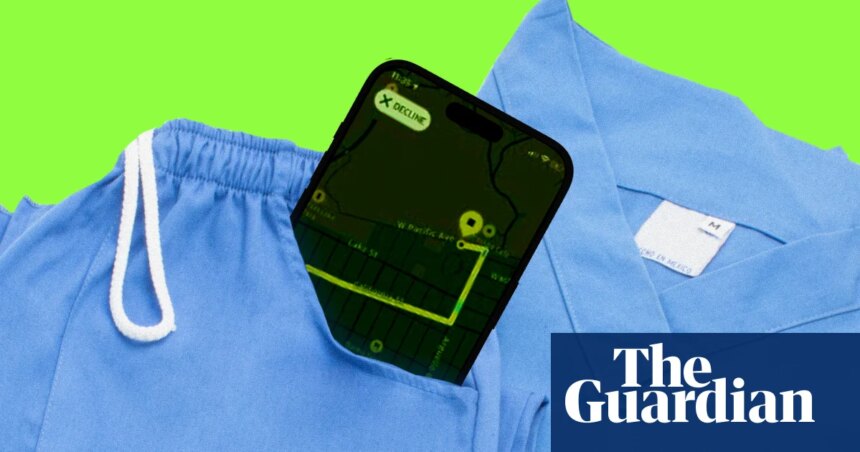
The term “Uber for nursing” refers to a model where healthcare professionals, particularly nurses, can access jobs through technology-driven platforms. Much like ride-sharing services, these platforms utilize artificial intelligence (AI) to manage staffing for hospitals and healthcare facilities. The core of this model involves nurses bidding for shifts, with the lowest bid typically securing the job. This auction-style approach drastically alters traditional nursing roles and raises concerns about job security and fair compensation.
The Role of Artificial Intelligence
AI is central to how these gig platforms function. It sets pay rates, monitors performance metrics, and dictates a nurse’s future access to job opportunities. Companies often use algorithms to determine the lowest-paying shifts, leading to a precarious work environment defined by competition among nurses. This digital, AI-driven oversight can also lead to performance metrics that may penalize nurses for canceling shifts or arriving late, all while offering scant protections like orientation or workers’ compensation.
The Investment Landscape
The rapid growth of the “Uber for nursing” model has attracted considerable investment, with three notable gig platforms reaching valuations of $1 billion or more. Private equity firms are pouring money into this sector, which has also started securing government contracts to staff public facilities, notably Immigration and Customs Enforcement (ICE) detention centers. This influx of capital illustrates both the profitability of the gig nursing model and the potential implications for the future of healthcare employment.
Legislative Lobbying and Deregulation Efforts
The AI Now Institute’s report outlines alarming trends in legislative lobbying aimed at exempting gig nursing platforms from regulations that typically govern healthcare staffing agencies. Since 2022, at least 17 states have introduced bills aiming to give these platforms a free pass, thus jeopardizing existing worker protections in the healthcare sector.
More Read

States like Colorado, Illinois, and Minnesota are prime examples of regions where such exemption bills have gained traction. Advocates of gig nursing platforms argue that deregulation will enhance job flexibility and opportunities, while critics assert it undermines the essential rights of healthcare workers.
Worker Protections at Risk
The concern doesn’t just lie in the ethics of gig work; it also extends to the implications for patient safety and public wellbeing. Dr. Katie J. Wells, a co-author of the report, warns that increasing reliance on gig platforms could jeopardize the quality of care. Without adequate training, orientation, or safety measures, nurses are being placed in vulnerable positions.
Despite the favorable climate for gig platforms in numerous states, places like New York have taken a stand by mandating compliance with state regulations for healthcare staffing agencies. Such measures aim to bolster worker rights and safety standards, contrasting sharply with the deregulated approaches being adopted in other states.
Federal Level Lobbying
The lobbying efforts extend beyond state borders, reaching into federal legislation that aims to bolster “independent work.” One prominent proposal seeks to allow gig nursing platforms to secure government contracts for emergencies without facing liability for patient injuries. This raises significant ethical questions about accountability in healthcare services, especially when dealing with patients in critical conditions.
The Implications for the Healthcare Workforce
With the convergence of artificial intelligence, investment capital, and aggressive lobbying efforts, the future landscape of nursing appears poised for dramatic change. The concern is not strictly about job replacement by AI; rather, it’s about the degradation of nursing roles. This model risks creating a workforce devoid of essential protections and just compensation.
We are witnessing a pivotal moment where healthcare, an industry historically committed to worker rights and patient safety, faces unprecedented challenges from deregulated gig platforms. The stakes have never been higher, as we delve deeper into the implications of this tech-driven transformation in nursing and healthcare at large.
Inspired by: Source


