


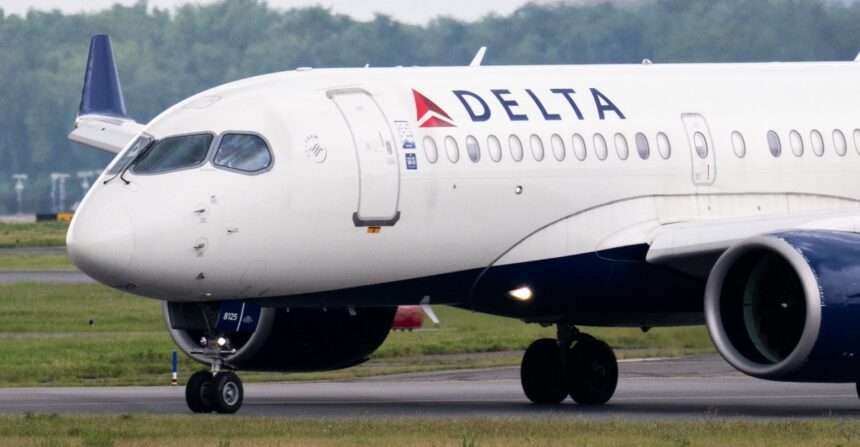
Delta Air Lines Embraces AI-Driven Dynamic Pricing for Flights
Delta Air Lines is making headlines with its bold move towards dynamic ticket pricing powered by artificial intelligence (AI). In its latest earnings call, noted by Fortune, executives revealed that the airline is adopting an innovative pricing strategy that tailors flight costs to individual customers, determining the maximum fare each traveler might be willing to pay.
A Shift Away from Static Pricing
In a significant pivot, Delta plans to eliminate static pricing entirely, as confirmed by President Glen Hauenstein during a recent investor briefing. After a limited test of this advanced pricing technology, results have been outstanding, prompting Delta to implement further changes. Hauenstein indicated that the airline would offer customized pricing based on individual factors—providing a price intended specifically for each passenger’s willingness to pay.
Currently, Delta is utilizing AI to influence about 3% of its ticket prices, with plans to ramp this up to a striking 20% by year-end. This innovative approach marks an exciting transition in the airline industry, as companies increasingly rely on technology to optimize revenue.
The Role of AI in Ticket Pricing
The AI system Delta is employing functions as a “super analyst,” constantly working to ascertain the best possible prices for flights in real-time. Partnering with travel technology firm Fetcherr, Delta aims to leverage this technology in a manner that keeps them ahead of traditional pricing methods. Fetcherr has also teamed up with several other airlines, including Virgin Atlantic and WestJet, evidencing a growing trend toward AI-assisted ticketing.
Hauenstein referred to the introduction of this system as a “full reengineering of how we price” flights. This transformative process is being executed as a multiyear plan, suggesting that Delta has committed to long-term enhancements in customer experience and revenue generation.
More Read

Personalized Pricing: Controversies and Concerns
While the concept of personalized pricing is not exclusive to Delta, its candid approach to these tactics raises eyebrows among both the consumer market and privacy advocates. Travelers have often experienced varying prices for the same flights based on multiple factors, such as booking time and platform, and Delta’s implementation of AI could intensify this type of variability.
There are valid concerns regarding how deeply Delta’s AI will analyze customers’ data. Privacy advocates have expressed unease over what they perceive as overly intrusive tactics. Justin Kloczko from Consumer Watchdog critiqued the methodology, suggesting it’s akin to “hacking our brains” to discover how much consumers might pay. This sentiment was echoed by Arizona Senator Ruben Gallego, who labeled the practice as “predatory pricing.”
A New Era for Airlines
Dynamic pricing using AI has become a fascinating topic in the airline industry, with the potential to reshape how airfares are calculated and presented to consumers. Delta is not the only airline experimenting with these revolutionary systems, but its transparent communication about both the opportunities and risks associated with such methods has garnered noteworthy attention.
As airlines shift towards more personalized pricing structures, customers will need to navigate these changes carefully. Expect to see a faster evolution in ticket pricing frameworks that could significantly alter the traveling landscape. With personalized fares on the horizon, how airlines handle customer data and pricing strategies will be vital in shaping both consumer trust and future revenue.
This bold leap into AI-driven pricing by Delta Air Lines not only signals a shift in the airline industry’s operational dynamics but also raises essential questions about consumer privacy and ethical pricing. As the landscape continues to evolve, both consumers and industry authorities will keep a watchful eye on how these developments unfold.
Inspired by: Source


