


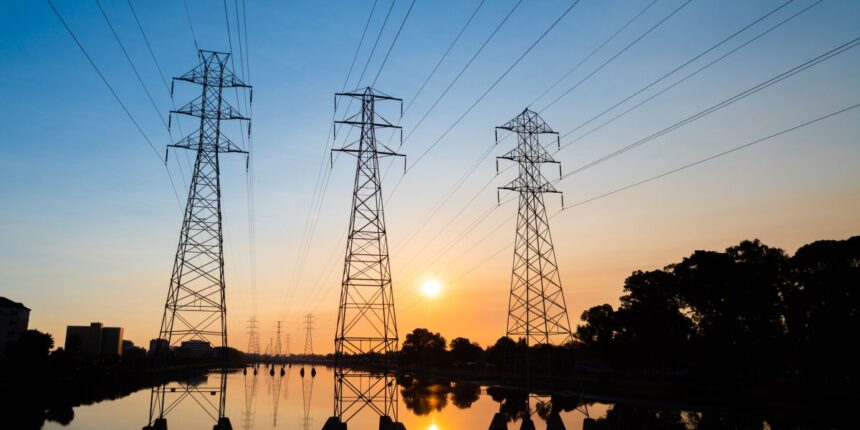
Embracing AI in Power Grid Management: A New Era for Energy Efficiency
In April, the PJM Interconnection, which serves as the largest grid system in the United States by encompassing 13 states along the mid-Atlantic and Eastern Seaboard, took a significant leap by partnering with Google. This collaboration aims to harness Google’s Tapestry software to enhance regional planning and expedite connections for new power generators. As the energy sector increasingly turns to artificial intelligence (AI), this move could reshape how we experience electricity generation and distribution.
A Glimpse at ERCOT’s Future Plans
The Electric Reliability Council of Texas (ERCOT), Texas’s primary grid operator, is eyeing innovations similar to those being adopted by California’s Independent System Operator (CAISO). While ERCOT has remained tight-lipped regarding its plans, sources privy to the discussions suggest that the adoption of AI-driven technologies could soon be on the horizon. This could prove critical in increasing both efficiency and reliability across Texas’s vast and growing energy landscape.
Learning from Australia: A Model of AI Adoption
Australia offers an illuminating example of what a future integrated with AI could look like. In New South Wales, grid sensors and smart technology have been deployed widely, allowing for real-time monitoring and management of electricity flows. Recently, an AI software solution rolled out in February predicts the production and inflow of electricity from rooftop solar units. By automatically adjusting the power intake from these solar panels, it ensures that the grid remains stable and efficient.
This advancement in Australia highlights how AI can empower energy systems, ensuring smoother integration of renewable sources like solar energy. Such technology could be pivotal in meeting the increasing electricity demands stemming from the rise of both residential and commercial solar installations.
The Current Landscape: AI’s Role in Grid Management
While much of the existing dialogue surrounding AI in the energy sector has predominantly focused on the electricity demands of AI data centers, perspectives are beginning to shift. Charles Hua, a co-author of last year’s Energy Department reports and now the executive director of PowerLines, emphasizes the underexplored potential of AI in bolstering grid management. “We’ve been talking a lot about what the grid can do for AI and not nearly as much about what AI can do for the grid,” he notes.
More Read

This pivot in focus opens up vast opportunities for grid operators and regulatory stakeholders. By effectively leveraging AI, many believe it can lead to a more resilient, modernized, and strengthened energy network. For instance, using AI for predictive analytics could drastically improve outage management, performance forecasting, and risk assessment.
A Cautious Optimism for Future Automation
Gopinathan, who is involved in the early applications of AI solutions within grid operations, expresses a nuanced view of these advancements. “I don’t want to overhype it,” he states regarding the current applications of AI in their outage management system. Although preliminary, these early implementations signify a promising future where AI could be leveraged for broader operational purposes.
Gopinathan envisions a time when sophisticated AI agents can seamlessly interact across various parts of the grid management spectrum, connecting different systems to work in tandem. This interconnectedness could facilitate faster information sharing and more proactive decision-making, ultimately leading to enhanced efficiency and reliability.
The Path Forward: AI’s Untapped Potential
As AI technologies continue to evolve, the energy sector stands on the brink of transformation. With grid operators like PJM Interconnection leading the way and ERCOT considering similar advancements, the burgeoning intersection of AI and energy management could redefine grid systems for the better. Future developments, particularly those rooted in predictive modeling and automation, promise to revolutionize how electricity is generated, distributed, and consumed, fostering a new era of energy efficiency and sustainability.
The potential applications are not merely theoretical; they are becoming increasingly operational, setting the stage for a smarter, more responsive grid that meets the challenges of today and tomorrow.
Inspired by: Source


