


Enhancing Accessibility in Research: Hugging Face Partners with arXiv
In a significant advancement for the research community, Hugging Face has announced an exciting collaboration with arXiv. This partnership aims to make academic papers more accessible, discoverable, and engaging. With the integration of Hugging Face Spaces into arXivLabs, users can now explore interactive demos associated with research papers, all from a convenient Demo tab.
What’s New? The Demo Tab
Starting today, users visiting their favorite papers on arXiv can navigate to a newly introduced Demo tab. This feature includes links to demos created by the community or the authors themselves. Imagine reading a cutting-edge paper and then immediately trying out an interactive demo related to that research — it’s now possible! With a simple click, users can engage with open-source demos that illustrate the concepts presented in the papers.

Celebrating Open-Source Innovations
Since its launch in October 2021, Hugging Face Spaces has fostered a vibrant community of over 12,000 open-source machine learning demos. These demos not only allow users to share and discuss models but also enable anyone with a browser to try out complex machine learning applications without needing any coding skills. Built using popular open-source tools like Gradio and Streamlit, these demos leverage a plethora of models and datasets available on the Hugging Face Hub.
The integration with arXiv marks a pivotal moment in bridging research and practical application. Users can now discover the most popular demos for a paper right on its arXiv abstract page. For instance, if you’re intrigued by the BERT language model, you can visit the BERT paper’s arXiv page and explore over 200 demos created by the open-source community. These demos range from simple showcases of the BERT model to more complex applications that incorporate BERT into larger systems.
More Read

Expanding Horizons: Demos in Diverse Fields
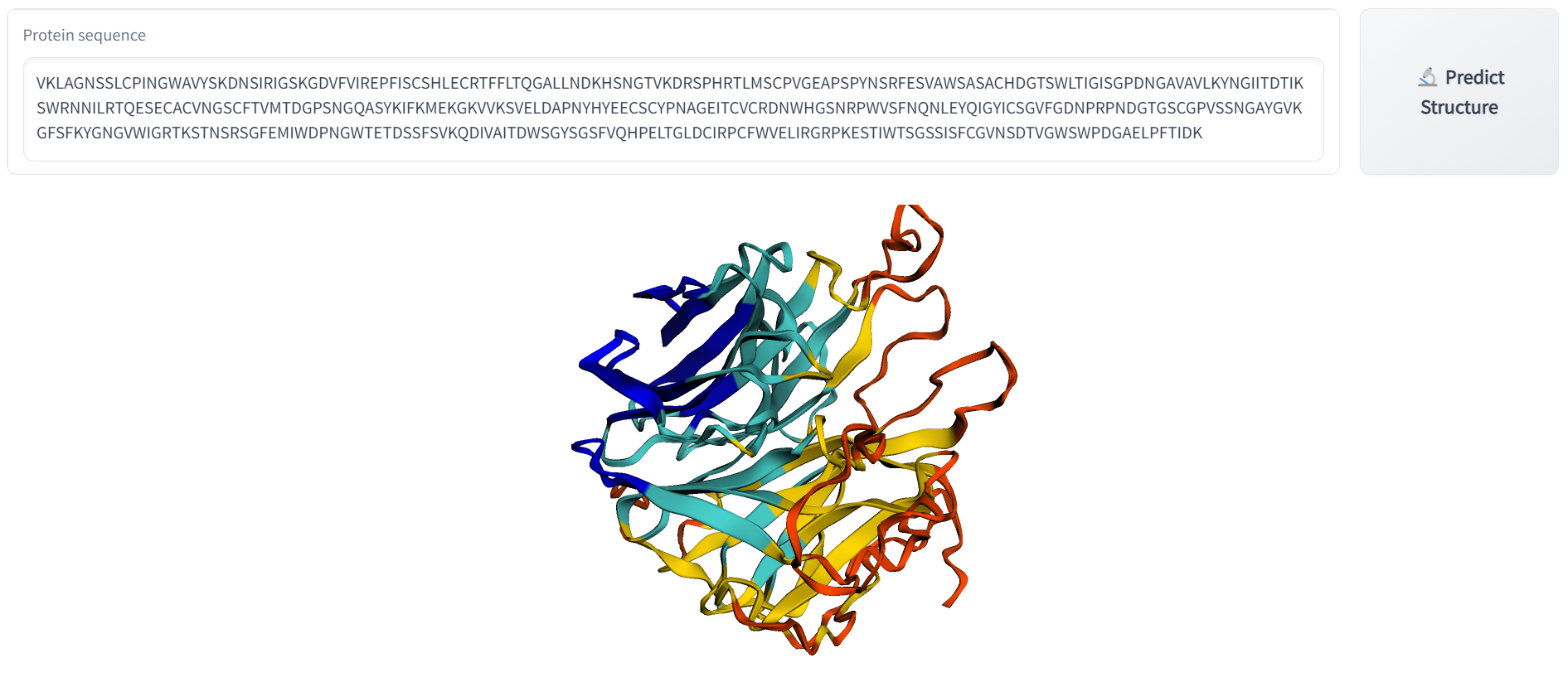
The utility of these demos extends far beyond machine learning. They serve as a gateway for a broader audience to delve into various fields, including biology, chemistry, astronomy, and economics. By offering interactive experiences, demos enhance awareness and understanding of computational models and their applications.
Moreover, the presence of these demos amplifies the visibility of researchers’ work, allowing a more diverse audience to engage with and critique the research process. This interactivity fosters a culture of collaboration and inquiry, where users can identify and address biases and other issues in the models presented.
Promoting Reproducibility and Transparency
One of the most significant advantages of integrating demos with research papers is the potential to improve reproducibility in research. By allowing users to explore a paper’s results without writing a single line of code, researchers can demonstrate the validity of their findings in a more transparent manner. The interactive nature of these demos encourages users to engage directly with the research, leading to a deeper understanding of the methodologies and outcomes.
This collaboration between Hugging Face and arXiv represents an exciting step towards enhancing communication and dissemination within the research community. As more researchers and users take advantage of this new feature, the potential to improve interpretability and accessibility in academic research becomes increasingly promising.
In summary, the partnership between Hugging Face and arXiv marks a transformative moment in how research is shared and experienced. By leveraging innovative technology to create interactive demos, this collaboration is set to redefine the landscape of academic research, making it more engaging and accessible for everyone.
Inspired by: Source


