


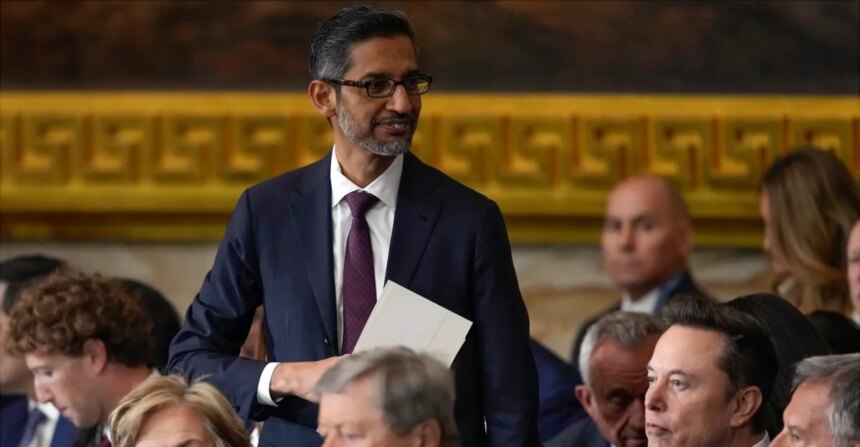
Google Employees Demand Action Against Pentagon AI Collaboration
In a striking move reflecting growing concerns over ethical AI usage, over 600 Google employees have signed a letter directed at CEO Sundar Pichai. This letter specifically requests that Google take action to prevent the Pentagon from utilizing its artificial intelligence (AI) models for classified purposes. This development has sparked significant discussion across the tech industry, focusing on the complex relationship between technology, ethics, and military engagement.
The Context Behind the Employee Letter
The emergence of advanced AI capabilities has led to an increased interest from military organizations worldwide, including the United States Department of Defense. With the rapid evolution of AI technologies, concerns regarding their application in classified and potentially harmful scenarios have risen.
The letter, reported by The Washington Post, voices a collective concern among employees—particularly those within Google’s DeepMind AI lab. Many of these employees hold significant positions, including over 20 principals, directors, and vice presidents. Their involvement underscores the serious implications that AI technologies could have when employed in military contexts.
Key Concerns Raised in the Letter
According to the contents of the letter, the signers express that the best way to ensure Google avoids unwanted associations with humanitarian and ethical violations is by refusing to support any classified military workloads. They argue that without such a policy, harmful uses of technology could occur without the knowledge or ability of employees to intervene.
These sentiments reflect a broader trend within the tech industry, where professionals are increasingly advocating for ethical guidelines in AI development. The letter embodies a growing recognition that the implications of AI technology extend well beyond the corporate realm and significantly affect societal norms and moral values.
More Read

The Situation with Anthropic
Drawing parallels to similar issues in the tech landscape, Anthropic—a company notable for its focus on AI safety—is currently embroiled in a legal battle with the Pentagon. The company has resisted military requests to ease its restrictions on how AI models can be utilized within defense contexts. This situation exemplifies a monumental challenge facing technology firms today: maintaining ethical standards while balancing market demands and legal pressures.
Employees at Google are standing beside Anthropic in their fight against what they perceive as an encroachment on ethical AI development. This solidarity reflects a collective push from technology professionals for clearer ethical boundaries, especially concerning AI’s potential applications in military operations.
Broader Implications for Technology
The request from Google employees aligns with a growing movement among tech workers advocating for transparency and ethical standards in AI development. This demand for ethical governance is not limited to Google; it resonates across various sectors, indicating a potential shift in how technology companies operate within the broader socio-political landscape.
As concerns continue to mount regarding the implications of AI in defense and surveillance, industry leaders may face increasing pressure to adopt stricter ethical guidelines. This could lead to a re-evaluation of partnerships between tech companies and military organizations, redefining the ethical boundaries of AI in modern warfare.
The Future of AI Ethics
The conversation surrounding Google’s employee letter is crucial, not only for the future of Google but also for the entire tech industry. As businesses continue to push the envelope on AI advancements, ethical considerations will play a pivotal role in shaping the direction of these technologies.
A growing number of employees from various tech sectors are vocalizing their desire for change—highlighting the importance of aligning corporate actions with moral considerations. This movement may be indicative of a future where tech professionals take a more proactive role in determining how their inventions are used, ensuring that innovation does not come at the cost of ethical integrity.
As discussions evolve regarding the relationship between AI and military applications, the spotlight remains on Google and its peers to navigate these complex waters with a commitment to ethical responsibility.
Inspired by: Source


