


Climate Crisis Sparks Arson Attack in Berlin: A Look at the Vulkangruppe’s Motives
In a shocking event this weekend, German leftwing militants have claimed responsibility for an audacious arson attack that left tens of thousands without power in Berlin. The fire, which erupted on a bridge spanning the Teltow Canal, is believed to have been a deliberate act targeting some of the city’s wealthiest districts. The group behind the attack, known as the Vulkangruppe (Volcano Group), expressed their motivations in a lengthy pamphlet, framing the incident within the ongoing climate crisis and AI’s impact on society.
The Immediate Impact: Thousands Left in Darkness and Cold
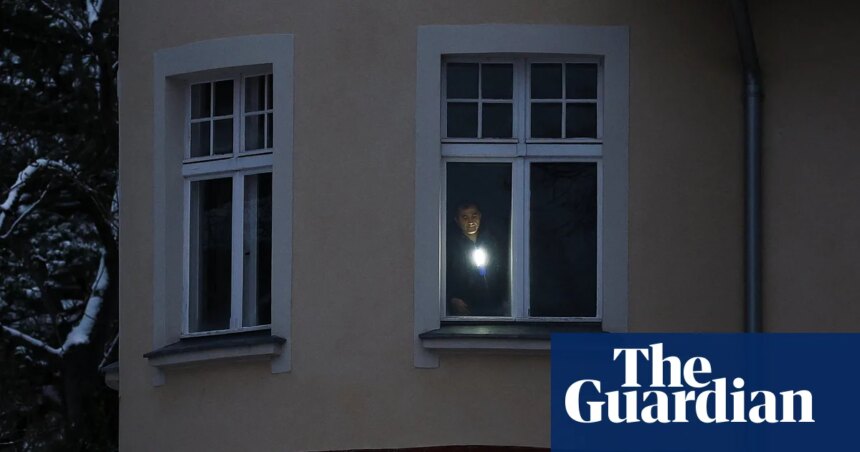
The arson attack cut electricity to approximately 35,000 households and 1,900 businesses, with power restoration efforts projected to last until January 8th. The outage severe enough to disrupt heat services during a particularly cold spell compounded the bleak situation. Berlin received moderate snowfall over the weekend, and nighttime temperatures plummeted below freezing, adding urgency to the restoration efforts.
According to the grid company, Stromnetz Berlin, high-voltage cables were damaged during the blaze, prompting a swift response from local authorities, including state security agencies investigating the incident. The affected areas included several elderly care homes and hospitals, raising concerns about the safety of vulnerable populations.
Vulkangruppe’s Philosophy: "Cut the Juice to the Ruling Class"
In a dramatic twist, the Vulkangruppe claimed the responsibility for the attack through a 2,500-word pamphlet that has caught the attention of both the public and law enforcement. They justified their actions by condemning a "greed for energy" linked to high-emission fossil fuels, describing the act as one of “self-defense and international solidarity” for those striving to protect the Earth.
The group’s manifesto also criticized the substantial energy consumption associated with data centers that power AI technologies, suggesting that they exacerbate the climate crisis while creating social dangers. “We are contributing to our own surveillance,” they wrote, voicing concerns over the corporate control over technology and its implications for society.
More Read

Political Repercussions: A Dark Cloud Over Berlin
Berlin’s mayor, Kai Wegner, condemned the attack, labeling it a politically motivated act. He emphasized that such blatant aggression against the city’s electricity grid endangers lives, particularly for those reliant on heat and power during harsh winter conditions. Security experts echoed his sentiments, noting that this incident displayed clear hallmarks of previous far-left attacks in Germany.
The effects of the blackout rippled throughout the city; several regional commuter lines were disrupted, and many students found their returns to school postponed due to the ongoing crisis. Local police deployed loudspeakers to assist those in need, signifying the widespread disruption caused by the outage.
Previous Incidents: A Pattern of Leftwing Extremism
This incident is not isolated. A previous attack attributed to the Vulkangruppe had caused a 60-hour blackout in September, marking it as Berlin’s longest power outage since World War II. Such incidents have raised alarms regarding the group, which Germany’s domestic intelligence has characterized as a left-wing extremist organization.
The Vulkangruppe, believed to have been active for about 14 years, strategically selects targets to maximize the impact on the population. Their attacks often result in destruction that necessitates complex repairs, treating collateral damage with limited concern.
The Broader Impact on Energy Infrastructure
Given the rising frequency of attacks on energy infrastructure, experts underline how such acts require minimal specialized knowledge, with the vulnerabilities of the power grid being widely documented online. The ease of disrupting vital services poses significant risks, especially as cities grapple with the challenges posed by climate change and energy transition.
While initial theories regarding the cause of the power outage included possible Russian sabotage, local law enforcement quickly pivoted their attention to the Vulkangruppe, as they had made clear their intentions to "cut the juice" to wealthier areas in protest.
Restoration and Safety Measures
As restoration efforts continue, Stromnetz Berlin reported a gradual return of power to about 10,000 households and 300 businesses by midday Sunday. However, icy conditions have hampered the laying of new underground cables, leading to fears that many residents will remain without electricity for several more days.
Authorities have begun implementing safety measures to address the needs of the most affected populations, particularly the elderly and those in healthcare facilities.
The unfolding situation in Berlin encapsulates a complex intersection of activism, climate crisis response, and political tensions, serving as a stark reminder of the urgent need for dialogue and action around energy consumption and infrastructure resilience.
Inspired by: Source


