


Sarvam Launches Indus Chat App: The New Frontier in Indian AI
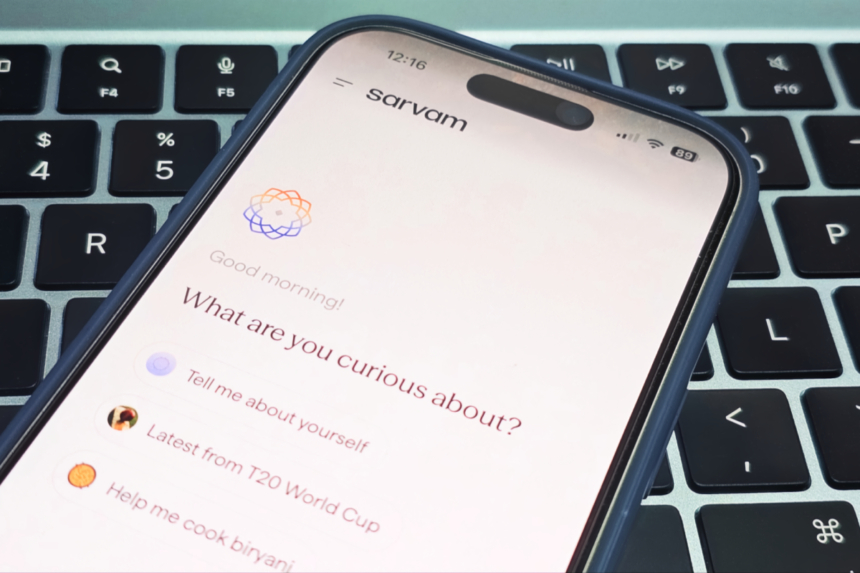
In a dynamic development in the Indian tech landscape, Sarvam, an innovative AI startup, has launched its Indus chat app for both web and mobile platforms. This timely entry into the market has the potential to reshape the generative AI scene in India, a country rapidly becoming a crucial player in this space.
The Growing Demand for Generative AI in India
India’s interest in generative AI has seen explosive growth over recent months. Companies like OpenAI and Anthropic have reported significant user engagement within the country. Notably, OpenAI’s ChatGPT boasts over 100 million weekly active users in India, showcasing the thirst for AI applications among Indian users. Moreover, Anthropic has indicated that India accounts for 5.8% of total Claude usage, highlighting the competitive landscape where Sarvam aims to establish its footprint.
Meet the Indus Chat App
The Indus app serves as a user-friendly chat interface, leveraging the newly unveiled Sarvam 105B model, a robust 105-billion-parameter large language model. The app’s introduction follows a significant presentation at the India AI Impact Summit in New Delhi, where Sarvam also highlighted their 30B model and launched several enterprise initiatives. This development positions Sarvam as a formidable competitor against established global players.
Key Features of Indus
Currently in its beta phase, the Indus app is available on iOS, Android, and the web. Users can engage with the app by typing or using voice commands, making the experience both versatile and accessible. Sign-in options include using a phone number, Google account, Microsoft account, or Apple ID, though availability is primarily focused on users within India.
Limitations and Areas for Improvement
While the Indus app boasts impressive functionality, it’s not without its drawbacks. Users currently face some limitations, such as:
More Read

- No option to delete chat history without deleting their account.
- Inability to toggle off the app’s reasoning feature, which can occasionally delay response times.
Sarvam has acknowledged these limitations, emphasizing that they are working to enhance and expand the app gradually. Co-founder Pratyush Kumar has indicated that the app might operate on a waitlist basis as they scale compute capacities, reflecting a commitment to a quality user experience.
Strategic Partnerships and Future Aspirations
Sarvam isn’t just focused on consumer applications; it’s also pursuing partnerships to integrate AI technology across various sectors. Collaborations with brands like HMD will bring AI capabilities to Nokia feature phones, while an alliance with Bosch aims to innovate automotive applications. These strategic moves not only expand the app’s reach but also reinforce Sarvam’s position as a key player in India’s AI ecosystem.
Financial Backing and Growth Potential
Founded in 2023, Sarvam has successfully raised $41 million, backed by prominent investors such as Lightspeed Venture Partners, Peak XV Partners, and Khosla Ventures. These partnerships provide the necessary resources for Sarvam to build state-of-the-art large language models tailored specifically for Indian users, setting the stage for future growth.
India’s Quest for AI Sovereignty
The launch of the Indus chat app marks a significant step for India in its quest for greater ownership and control over AI technology. While global platforms continue to dominate, Indian startups like Sarvam are paving the way for localized alternatives that cater directly to the unique needs of Indian users.
With the launch of Indus, Sarvam positions itself at the forefront of India’s AI revolution, driven by the ambition to create AI models that resonate with local languages and cultures. As user adoption grows, the proactive approach toward feedback and enhancement will be crucial for the app’s success in a rapidly evolving landscape.
Inspired by: Source


