


Understanding Python Functions and Scope: Your Comprehensive Guide
Introduction to Python Functions
In the world of Python programming, functions serve as the building blocks that enable code reuse and organization. They encapsulate functionality, allowing developers to call them multiple times throughout a program, much like using a well-designed tool. This learning path is tailored to provide you with a comprehensive understanding of Python functions, starting from the basics of function creation to understanding the intricacies of scope and namespaces.
Skills You’ll Master
- Python Fundamentals
- Defining and Calling Functions
- Parameters, Arguments, and Return Values
- Managing Scope: LEGB Rule
- Global Variables and Namespaces
Visual Insight
A visual representation of different scopes in a Python program.
Diving into Python Functions
Defining Functions and Parameters
The journey begins with the fundamental task of defining and calling functions. This section emphasizes the syntax required to craft your own functions, covering key topics such as:
- Basic Function Syntax: Learn the syntax for creating functions.
- Parameters and Arguments: Understand how to pass data into your functions.
Key Takeaways:
- Functions can take necessary inputs known as parameters.
- Optional parameters can provide flexibility in function behavior.
Using Variable-Length Arguments
You’ll delve deeper into Python’s unique features like *args and **kwargs, which allow your functions to accept variable numbers of arguments, enhancing their versatility.
More Read

Understanding **kwargs
- This feature allows you to pass keyword arguments to your functions, making them capable of receiving additional named inputs.
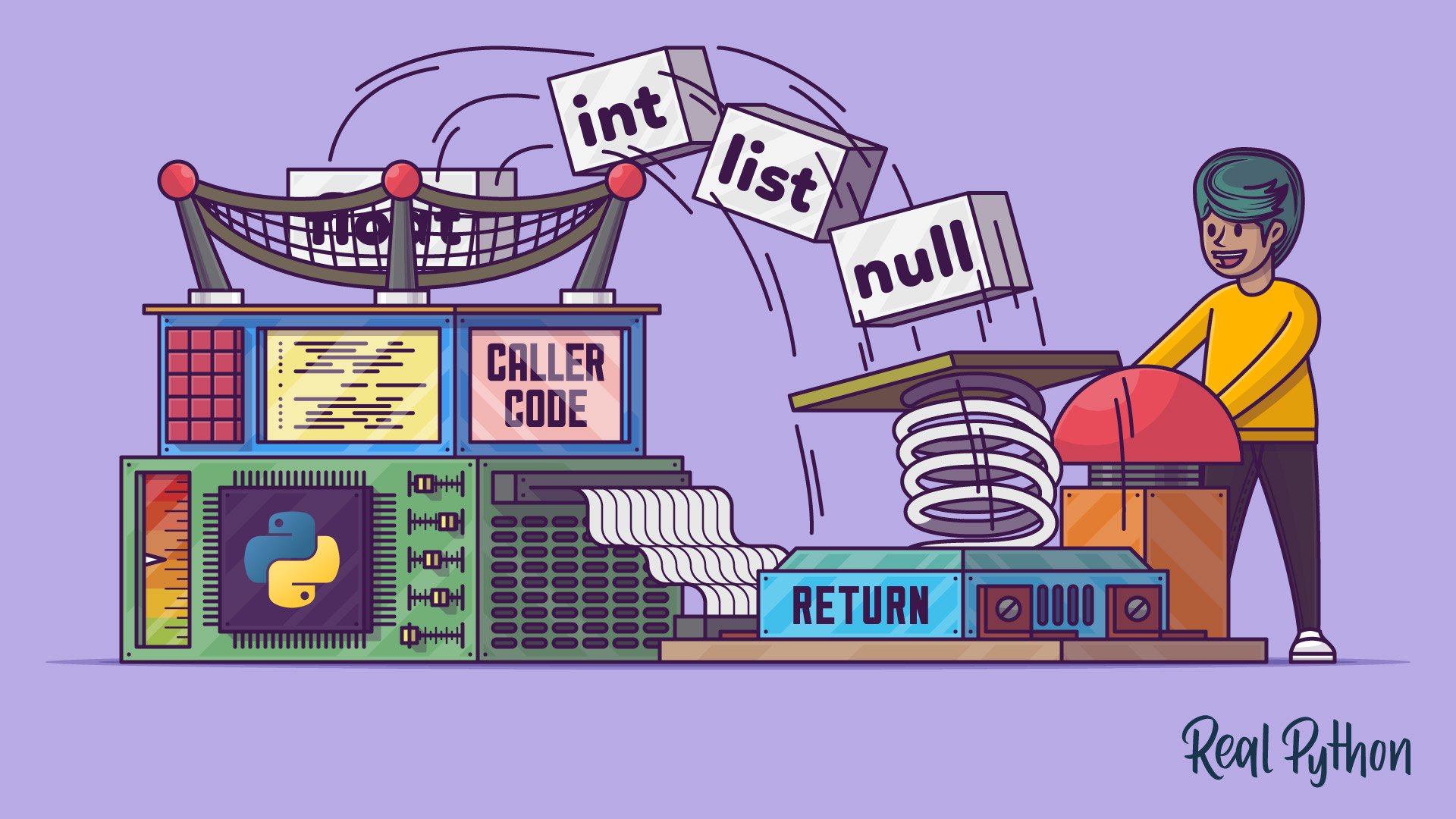
Return Values and the None Object
Functions aren’t just about executing code; they’re also designed to return results. Here, you’ll learn:
- Using the
returnstatement: Explore how to send results back from your functions. - The
NoneObject: Understand when a function does not explicitly return a value, and how Python usesNoneto indicate a lack of value.
Exploring Python Scopes
Inner Functions and Closures
With a grasp of function basics, turn your attention to inner functions. Here’s where you’ll learn how Python resolves names and manages scopes.
Key Concepts:
- LEGB Rule: Understand the order in which Python searches for names—Local, Enclosing, Global, Built-in.
- Closures: Learn how functions can capture and remember their environment.
Understanding Namespaces
Namespaces are crucial because they dictate the scope of variables and functions in your code. By mastering namespaces, you’ll effectively manage how Python interprets variables.
- Global Variables: Discover how and when to use global variables within functions.
- Management of Namespaces: Learn how namespace management can reduce errors and enhance code clarity.

Building on Your Skills
Now that you’ve laid a solid foundation in Python functions and scope, you might consider taking it a step further. Engage with structured courses that delve deeper into these concepts, focusing on practical applications and hands-on projects.
Further Learning Path: Intermediate Python Deep Dive Course
This immersive 8-week course offers:
- In-depth lessons on function mechanics, scoping, and closures.
- Expert-led guidance to help you leverage these skills in real-world projects.

Conclusion
This path will prepare you for more advanced programming challenges, and empower you to write clean, manageable, and efficient Python code. As you continue to build your programming skills, remember that practice and exploration are key. By mastering Python functions and scope, you’re well on your way to becoming a proficient Python developer.
Inspired by: Source


