


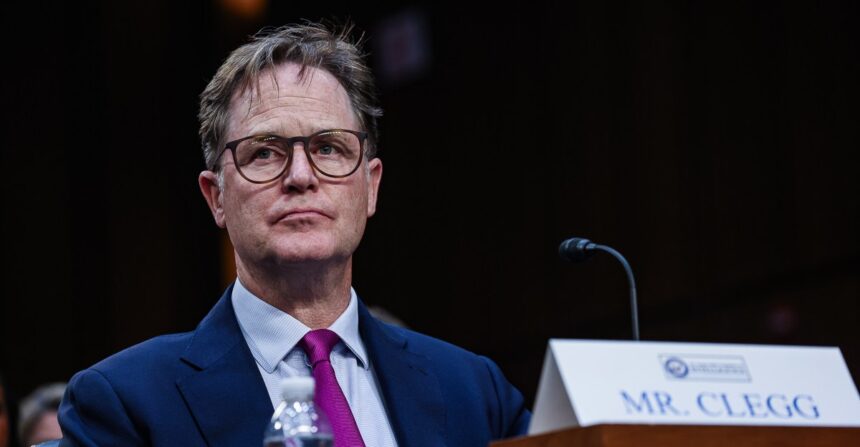
Navigating the AI Controversy: Nick Clegg’s Warning and the UK’s Legislative Landscape
As the artificial intelligence (AI) sector continues to evolve rapidly, policymakers in the UK are grappling with how best to regulate this burgeoning industry. Recently, Nick Clegg, the former UK Deputy Prime Minister and ex-Meta executive, made headlines by asserting that requiring artists to consent to the use of their work in training AI models could “basically kill” the AI industry. This perspective sheds light on a complex debate that places the rights of artists at odds with the growth potential of AI technology.
The Artist’s Dilemma: Consent vs. Innovation
At an event promoting his new book, Clegg asserted the crucial concept of consent in the creative community. He emphasized that while artists should have the right to opt out of having their work utilized in AI training, the feasibility of implementing such a requirement is questionable. “I think the creative community wants to go a step further,” Clegg stated, noting that many voices insist on prior consent before any use of their content.
The crux of his argument lies in the sheer volume of data required to train modern AI systems. Clegg expressed skepticism about how one could feasibly approach every artist for consent, labeling the idea as “somewhat implausible.” The suggestion that AI training could rely solely on explicitly granted permissions creates significant logistical challenges that could stifle innovation.
Potential Impacts of Stricter Regulations
Clegg’s warnings come against the backdrop of ongoing discussions in Parliament regarding new legislation that aims to empower creative industries. The Data (Use and Access) Bill, currently under scrutiny, proposes requiring technology companies to disclose the copyrighted works they use to train AI models. This amendment has garnered significant support from notable figures in the creative sectors, including musicians like Paul McCartney, Dua Lipa, and Elton John.
While advocating for transparency could help enforce copyright law, Clegg argues that if the UK adopted stringent measures that the rest of the world did not follow, the domestic AI sector could face catastrophic consequences. His bleak prediction emphasizes the potential competitive disadvantages that could arise, ultimately threatening jobs and economic growth in a field that many believe is integral to the future.
More Read

The Legislative Tug-of-War
The legislative journey of the Data (Use and Access) Bill is marked by a vigorous back-and-forth between lawmakers. Beeban Kidron, a film producer and director who introduced the amendment, has rallied support for the bill, arguing that transparency would mitigate instances of content theft by AI companies. However, government officials like Technology Secretary Peter Kyle have stressed the necessity of both the AI and creative sectors to thrive simultaneously.
During recent parliamentary debates, the proposed amendment faced rejection, igniting further discussions about balancing the rights of artists with the burgeoning needs of the AI industry. This legislative standoff highlights the complexity of governing a rapidly evolving technological landscape, where the rights of creators and the innovations of AI developers must be delicately weighed.
Voices from the Creative Community
As the discourse surrounding artist rights and AI technology continues to grow, many within the creative community have voiced strong opinions on the matter. Prominent figures, alongside hundreds of anonymous artists, have publicly supported the amendment in hopes of greater clarity and protection for their work. The sentiment resonates beyond just music and art; writers, designers, and journalists similarly seek assurances that their intellectual property will not be exploited without consent or compensation.
The open letter signed by high-profile artists signifies a collective effort to advocate for change, reinforcing the importance of safeguarding creative rights in a digital age where AI capabilities are rapidly expanding. This collective push raises crucial questions about how creators can adapt and assert their rights within an innovative framework that also encourages AI development.
The Road Ahead
As the Data (Use and Access) Bill prepares for its return to the House of Lords in early June, the debate is far from concluded. Kidron expressed determination in an op-ed for The Guardian, asserting that “the fight isn’t over yet.” The heat of this ongoing discussion emphasizes the complexities and potential disruptions in both the creative and technological sectors.
As policymakers, artists, and technologists continue to engage in this dialogue, the outcome may shape the future of both creativity and AI in the UK and beyond. As Clegg so pointedly highlighted, navigating consent, copyright, and innovation remains a daunting challenge that demands thoughtful consideration and collaboration between these pivotal industries.
Inspired by: Source


