


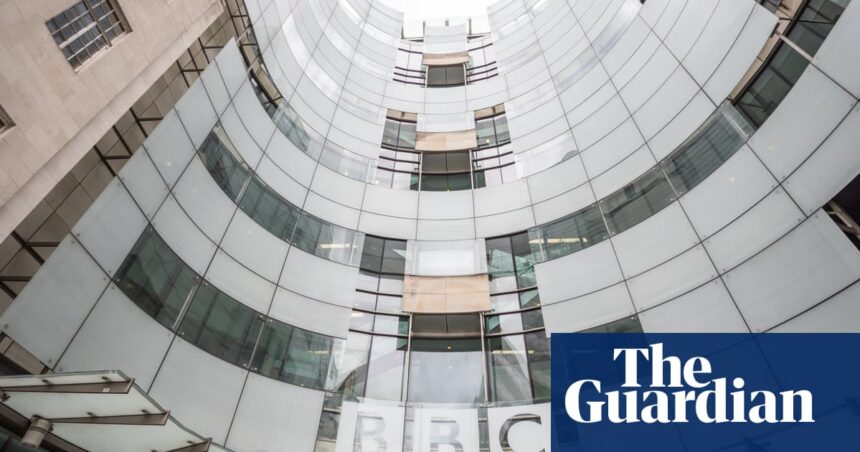
BBC Takes Legal Stand Against Perplexity AI: A Deep Dive into Content Scraping and Copyright Issues
The BBC has recently made headlines by threatening legal action against the AI startup Perplexity, marking a significant move in the ongoing battle over the scraping of copyrighted content for artificial intelligence training. This conflict raises critical questions about intellectual property rights and the future of AI in the creative industries.
- The Background: Content Scraping in the AI Era
- Legal Threat from the BBC: What We Know
- The BBC’s Intellectual Property Concerns
- Comparisons to Other Legal Actions
- Perplexity’s Response: A Denial of Allegations
- The Broader Context: Government Regulation and Industry Standards
- Industry Trends: Other Companies Taking Action
- Conclusion: The Future of AI and Copyright
The Background: Content Scraping in the AI Era
Content scraping—where digital systems extract and use proprietary material without permission—has become a focal point in discussions about the evolving landscape of artificial intelligence. As AI technology rapidly advances, concerns have arisen over the unauthorized use of valuable content created by traditional media outlets. The BBC’s action against Perplexity reflects a growing need for clarity and legal protection in this complex arena.
Legal Threat from the BBC: What We Know
In a letter addressed to Aravind Srinivas, the CEO of Perplexity, the BBC claims to have gathered substantial evidence that its content has been used without permission to train the AI model. The corporation is demanding that Perplexity cease all scraping activities of its content and delete any copies it may hold, unless a financial compensation proposal is put forth. This marks a pivotal moment, as it is one of the first instances of a prominent media organization taking legal steps to safeguard its intellectual property in the age of AI.
The BBC’s Intellectual Property Concerns
Tim Davie, the director-general of the BBC, has vocalized the urgency for better IP protection, stating that the current trajectory of content use could lead to a crisis for the creative sector. At a recent conference, Davie emphasized the need for rapid decisions regarding the safeguarding of intellectual property, which he views as a significant national asset. The BBC’s proactive stance, including registering copyright for its news website in the U.S., highlights its commitment to protecting its valuable intellectual property.
Comparisons to Other Legal Actions
The BBC’s actions are not isolated. In October, Rupert Murdoch’s Dow Jones also filed a lawsuit against Perplexity, which accused the startup of a "massive amount of illegal copying" and a strategy that undermines the value of published content. Both instances underline a critical point: as AI startups expand their reach, established media companies are increasingly willing to defend their content through legal channels.
More Read

Perplexity’s Response: A Denial of Allegations
Perplexity has firmly denied the BBC’s allegations, characterizing the claims as "manipulative and opportunistic." The company argues that it does not directly build or train foundational AI models. Rather, it provides an interface for users to interact with various AI models, which differentiates it from firms like OpenAI and Google that have more direct involvement in the training process. This distinction raises questions about the nature of responsibility and accountability when it comes to using existing content.
The Broader Context: Government Regulation and Industry Standards
This legal battle also surfaces amid ongoing discussions in the UK government regarding regulations around AI and copyright. There has been a push within the industry for an opt-in regime that would require AI companies to seek permission from content creators before scraping their work. Failure to implement such systems could lead to long-term harm to the £125 billion creative industry.
Culture Secretary Lisa Nandy has assured the public that the government will not proceed with legislation that could negatively impact the creative sector, reinforcing the need for fair compensation for original work.
Industry Trends: Other Companies Taking Action
The lawsuit against Perplexity comes at a time when numerous publishers are proactively securing licensing agreements with AI firms. For example, companies like the Financial Times and Hearst have struck deals with OpenAI, while Reuters has partnered with Meta. Such moves indicate a trend where traditional media outlets recognize the necessity of monetizing their content in a world increasingly driven by AI.
Conclusion: The Future of AI and Copyright
As the legal landscape continues to evolve, the BBC’s confrontation with Perplexity serves as a critical case study in the ongoing discourse around AI development and copyright law. This dispute encapsulates the tension between innovation and the protection of intellectual property, a relationship that will undoubtedly shape the future of both technology and creative industries.
In summary, the BBC’s legal stance against Perplexity AI echoes wider concerns regarding content scraping and the need for robust protections within the digital landscape. As both technology and legislation adapt to this new reality, the outcome of this situation will likely have lasting implications for all stakeholders involved.
Inspired by: Source


