


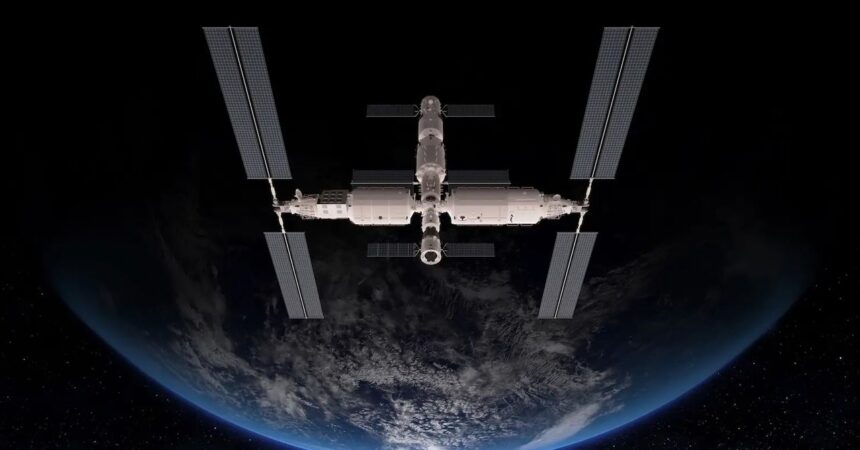
The Future of Data Centers in Space: A New Frontier
As the digital age transforms the landscape of technology and data management, the idea of relocating data centers to space emerges as a fascinating concept. Researchers and tech enthusiasts, like Ali Hajimiri, envision a future where data processing occurs in orbit, potentially addressing challenges faced by traditional data centers on Earth. However, the journey to make space-based data centers a reality may be longer and more complex than anticipated.
Understanding the Challenges of Space Data Centers
One of the primary challenges associated with space-based data centers is the processing speed. Systems in orbit would operate at a much slower pace compared to their terrestrial counterparts, making them less efficient for certain applications. Additionally, space is a harsh environment. Data centers in orbit would be bombarded by radiation, posing significant risks to equipment reliability and performance. “Obsolescence would be a problem,” Hajimiri notes, alluding to the difficulties in repairing or upgrading such facilities once they are deployed. This is a critical factor to consider when weighing the feasibility of this ambitious venture.
The Vision from Local Government
Interestingly, the discussion of space-based data centers has made its way into local government circles. For instance, Tucson, Arizona, councilmember Nikki Lee has advocated for federal investment into research for data centers in space, especially as cities grapple with proposals for new centers that impact local resources. “A lot of people are saying data centers don’t belong in the desert,” she stated during an August council hearing, voting unanimously against a proposed data center. Lee highlights that, despite initial skepticism, the concept of orbital data centers is gaining traction and deserves significant consideration.
Experimental Initiatives Taking Flight
While the vision for space-based data centers captures the imagination, current efforts remain in the experimental phase. Startups such as Starcloud are attempting to push boundaries with ambitious projects, like launching small satellites equipped with advanced processing units. Although initial plans to launch a refrigerator-sized satellite were delayed, the potential for future commercial endeavors remains strong. Meanwhile, Lonestar Data Systems made headlines with its ambitious attempt to land a miniature data center on the moon, though challenges like tipping over during landing still show the inherent difficulties of this frontier.
Economic Viability: A Pending Question
The critical question surrounding space-based data centers is their economic feasibility. Matthew Weinzierl, a Harvard economist, argues that while there may be niche applications for space-based processing, they will need to provide competitive cost structures and service quality to rival Earth-based centers. For now, it remains more cost-effective to establish data centers in places like Virginia’s Data Center Valley, where operational expenses are considerably lower. The trend indicates that for profit-driven companies, terrestrial expansion is still the preferred route, given the current economic landscape.
More Read

The Regulatory Landscape
One compelling argument for considering the heavens is the lack of regulatory overhead in space. On Earth, building data centers requires a series of municipal permits, often bumping into opposition from local communities concerned about infrastructure strains. Space offers an intriguing alternative; companies face far fewer barriers to entry. Michelle Hanlon, a political scientist, highlights that as long as this lenient regulatory environment exists, tech companies may rush to establish data centers in space before stricter oversight is introduced by governments eager to manage the emerging industry.
Conclusion
As we explore the potentials of data centers in space, it’s essential to remain grounded in the realities of today’s technological and economic landscape. The journey toward this ambitious goal involves navigating challenges related to processing speeds, economic feasibility, and regulatory implications, all while fostering a vision of innovation and exploration. The path forward may be uncertain, yet the dialogue surrounding space-based data centers fuels curiosity and inspires future advancements.
Inspired by: Source


