


The Critical Role of Nutrition in Medical Education and Public Health
Understanding Nutrition’s Role in Health
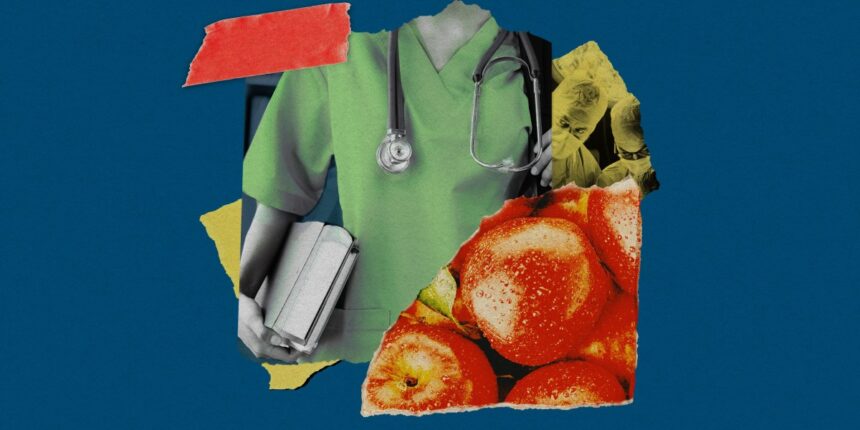
Medical schools across the United States are increasingly recognizing the integral role of nutrition in healthcare. According to Alison J. Whelan, AAMC’s chief academic officer, "Medical schools understand the critical role that nutrition plays in preventing, managing, and treating chronic health conditions, and incorporate significant nutrition education across their required curricula." This emphasis ensures that aspiring physicians grasp the importance of dietary habits in overall health and the management of chronic diseases.
Room for Improvement
Despite these commendable efforts, there’s a consensus among experts that there is still room for improvement in how nutrition is integrated into medical education. Gabby Headrick, a food systems dietician at George Washington University, argues for a more prominent role for nutritionists in patient care. By integrating nutritional expertise into patient treatment plans, healthcare can become more holistic, addressing both physiological needs and lifestyle choices.
The Bigger Picture: Funding Cuts and Nutrition Programs
It’s somewhat disheartening that the focus on enhancing medical education arrives at a time when federal funding for vital health programs has seen significant cuts. Recently, funding for initiatives like the National Diabetes Prevention Program, designed to help individuals adopt healthier lifestyles, was canceled by the Trump administration. This decision raises concerns about the broader implications on public health, especially as access to preventive care dwindles.
Access to Healthy Food: A Major Barrier
Access to healthy food remains a crucial barrier to improved nutrition. A study by the Pew Research Center indicates that rising food costs have made it increasingly challenging for many Americans to maintain a healthy diet. As Headrick points out, "So many people know what a healthy diet is, and they know what should be on their plate every night. But the vast majority of folks just truly do not have the money or the time to get the food on the plate." This gap between knowledge and action underscores the need for systemic solutions to make healthy food more accessible to everyone.
The Role of SNAP
One of the key programs supporting low-income Americans in accessing healthier foods is the Supplemental Nutrition Assistance Program (SNAP). In 2024, SNAP helped over 41 million people sustain their nutritional needs. However, the budget cuts proposed under the Trump administration’s tax and spending bill threaten to slash approximately $186 billion in funding over the next decade. Such restrictions could cripple efforts to nourish vulnerable populations.
More Read

Nutrition Education Programs
With a focus on education, programs like SNAP-Ed have emerged to assist Americans in learning about healthy eating. This initiative teaches participants not only which foods are nutritious but also how to source these foods on a budget and prepare healthy meals at home. Providing practical knowledge and skills can empower individuals to make healthier choices, reducing the reliance on processed foods.
The Future of Nutrition in Healthcare
While nutrition education in medical schools is advancing, it is imperative to consider external factors like funding and access to healthy foods that influence nutrition on a larger scale. As the healthcare landscape evolves, the collaboration between healthcare providers, nutritionists, and public policy will be essential in tackling the growing health crisis linked to poor nutrition.
Addressing Nutritional Disparities
To foster a healthier society, it’s vital that both educational institutions and policymakers advocate for comprehensive solutions that bridge the gap between nutrition knowledge and dietary practice. By addressing the roots of nutritional disparities and enhancing food access, the medical community can play an influential role in shaping a healthier future for all Americans.
Inspired by: Source


