


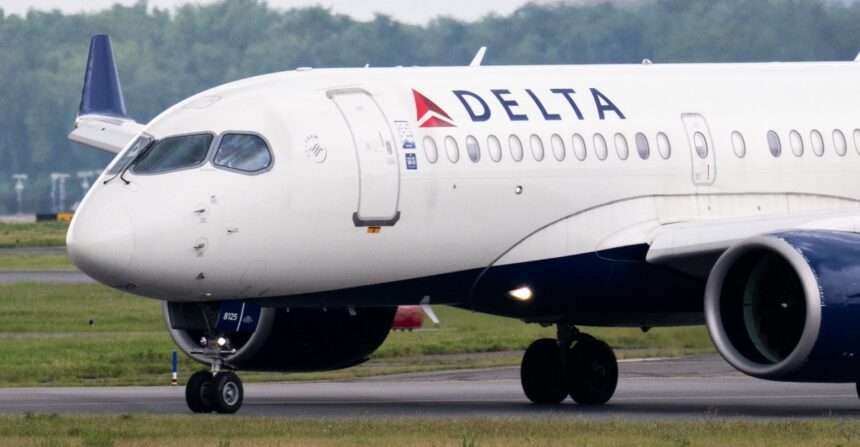
Delta Air Lines Unveils AI-Assisted Dynamic Pricing Model: An In-Depth Look
Understanding Delta’s Commitment to Transparency
Delta Air Lines has recently found itself in the midst of scrutiny regarding its innovative approach to pricing. This comes after remarks made by Delta president Glen Hauenstein during an investor day, where he stated that the airline would offer prices tailored to individual passengers for specific flights. In a bid to clarify this statement, Delta’s executive vice president and chief external affairs officer, Peter Carter, addressed concerns from lawmakers, emphasizing that the company does not employ personalized pricing based on individual customer data. Instead, he reiterated Delta’s commitment to ethical pricing practices, stating there is “zero tolerance” for any form of discriminatory or predatory pricing.
AI-Powered Pricing Technology
As part of Delta’s latest earnings report, Hauenstein elaborated on the implementation of an AI-assisted pricing model developed in collaboration with Fetcherr. This technology aims to influence pricing strategies across approximately 20% of Delta’s domestic network by the end of the current year. The AI is envisioned as a “super analyst,” designed to react promptly to market changes, competitor pricing, and consumer buying patterns. This approach is intended to determine optimal prices for markets rather than targeting individual customers.
Enhancing Fare Pricing Processes
According to Carter, the key objective of Delta’s AI-powered pricing functionality is to augment existing fare pricing processes through the analysis of aggregated data. Rather than making individualized pricing decisions, the technology serves as a decision-support tool, providing valuable insights to analysts who ensure that pricing strategies align with Delta’s overarching business objectives. This shift is designed not only to optimize revenue but also to maintain fairness in pricing for all customers.
Reassurance on Data Privacy
Carter emphasized that Delta’s collaboration with Fetcherr does not involve sharing any personal information between the two entities. This points to the airline’s dedication to protecting customer privacy even while adopting advanced technological solutions. The company’s proactive approach in clarifying these aspects demonstrates its willingness to engage with the public and regulatory bodies regarding ethical practices in the evolving landscape of AI and pricing strategies.
Making Waves in Regulatory Circles
The concerns surrounding Delta’s pricing strategy prompted a letter from Senators Ruben Gallego, Mark Warner, and Richard Blumenthal, who expressed unease about the implications of the airline’s pricing model. Responding to this political pressure, Carter’s letter detailed Delta’s intentions and reaffirmed its stance against the use of personal data for setting prices.
More Read

Moreover, this dialogue is framed within a larger context, as Representatives Greg Casar and Rashida Tlaib have introduced the Stop AI Price Gouging and Wage Fixing Act. This proposed legislation aims to prohibit companies from leveraging AI technology to adjust prices or wages based on personal data, further spotlighting the need for regulatory clarity in the application of artificial intelligence across industries.
Evolving Landscape of Airline Pricing
Delta’s foray into AI-assisted pricing represents a significant evolution in how airlines approach fare management. With the capacity to analyze market trends in real time, this technology can lead to more competitive pricing strategies that align with current consumer demands. As airlines and other sectors navigate this new territory, understanding the balance between technological innovation and ethical considerations becomes paramount.
Delta Air Lines is setting the stage for a future where data and technology play critical roles in shaping the travel experience—while remaining committed to fairness and transparency along the way.
Inspired by: Source


