


Trump’s Executive Order: A Controversial Path to Powering America’s AI Future
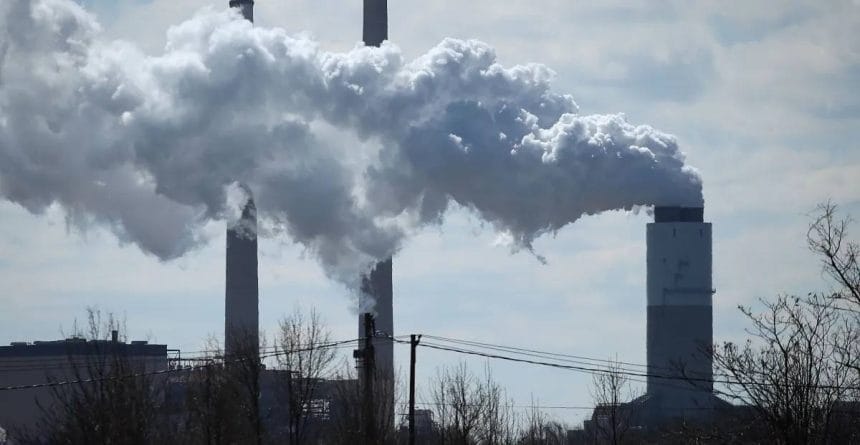
In a surprising move just before several major tech leaders testified before Congress, former President Donald Trump signed an executive order aimed at boosting coal production in the United States. This order is positioned as a solution to the energy demands of the burgeoning American artificial intelligence (AI) industry, which is grappling with the need for substantial energy resources to operate its data centers.
Coal and AI: A New Energy Paradigm
The executive order, part of a broader initiative to revitalize the coal industry, has raised eyebrows across the political and technological spectrum. Key measures include opening federal lands for coal mining, designating coal as a critical mineral, and using emergency powers to ease environmental regulations. Specifically, the order mandates the Commerce, Energy, and Interior Departments to assess the feasibility of using coal-powered infrastructure to support AI data centers. Trump emphasized the importance of this initiative by stating, “We need to do the AI, all of this new technology that’s coming on line. We need more than double the energy, the electricity, that we currently have.”
The Energy Demand for AI
The urgency of this executive order stems from the escalating energy needs associated with AI. During a recent hearing at the House Energy and Commerce Committee, industry leaders discussed the increasing integration of AI into everyday life, which spans areas from national security to routine household tasks. Notable figures such as former Google CEO Eric Schmidt and Micron Technology’s EVP Manish Bhatia echoed a common sentiment: the AI industry requires consistent and reliable energy sources to sustain its rapid growth.
Schmidt’s testimony highlighted the profound energy requirements, stating, “We need energy in all forms. Renewable, nonrenewable, whatever. It needs to be there, and it needs to be there quickly.” A study from the Electric Power Research Institute indicates that data centers could consume nearly 9.1 percent of all U.S. energy by the end of the decade, underscoring the pressing need for diverse energy solutions.
Rising Energy Consumption
The projected increase in energy consumption is staggering. Bhatia referenced a separate study indicating a potential 15 percent rise in overall energy use within the next five years, a significant jump compared to the historical average increase of 0.5 percent per year over the last few decades. He cautioned that without a diversified energy strategy that includes multiple fuel sources, the U.S. risks losing its competitive edge in AI.
More Read

The Decline of the Coal Industry
Despite Trump’s long-standing support for coal, the American coal industry has been in decline for several decades. Once a dominant player in the energy sector, coal now accounts for only 15 percent of the nation’s energy supply, a steep drop from nearly half in 2011. A recent report indicated that the number of operational coal plants has decreased from 780 in 2000 to just 400 today, with many scheduled for retirement. While some plants have had their operational lives extended due to rising energy demands, experts warn that this is unlikely to reverse coal’s overall decline.
Ethical Dilemmas in Energy Choices
The push for increased coal use presents a moral conundrum for leaders in the AI sector, especially in light of the industry’s commitment to sustainable energy practices. Prominent figures, such as OpenAI CEO Sam Altman, have advocated for investments in renewable energy sources, including solar and nuclear power, as well as innovative technologies like carbon capture. The juxtaposition of Trump’s coal-focused energy strategy against the backdrop of a tech industry that champions green energy raises questions about the future direction of energy sourcing for AI infrastructure.
Navigating the Future of Energy and AI
As the tech industry faces a complicated landscape characterized by international trade tensions and energy challenges, the prospect of adopting coal as a primary energy source may seem like a necessary compromise. However, the implications of such a shift—both environmentally and ethically—will require careful consideration from industry leaders who must balance operational needs with their commitments to sustainability and innovation. In the words of Trump during the signing ceremony, “Never use the word ‘coal’ unless you put ‘beautiful, clean’ before it,” underscoring a narrative that may clash with the values of many in the tech community.
In summary, as the American AI industry grapples with its energy demands, the intersection of traditional energy sources and modern technology presents a complex and evolving challenge. The discussions surrounding coal, AI, and energy consumption will undoubtedly continue to shape the dialogue on sustainable practices and the future of technological advancement in the United States.
Source: Original Article


